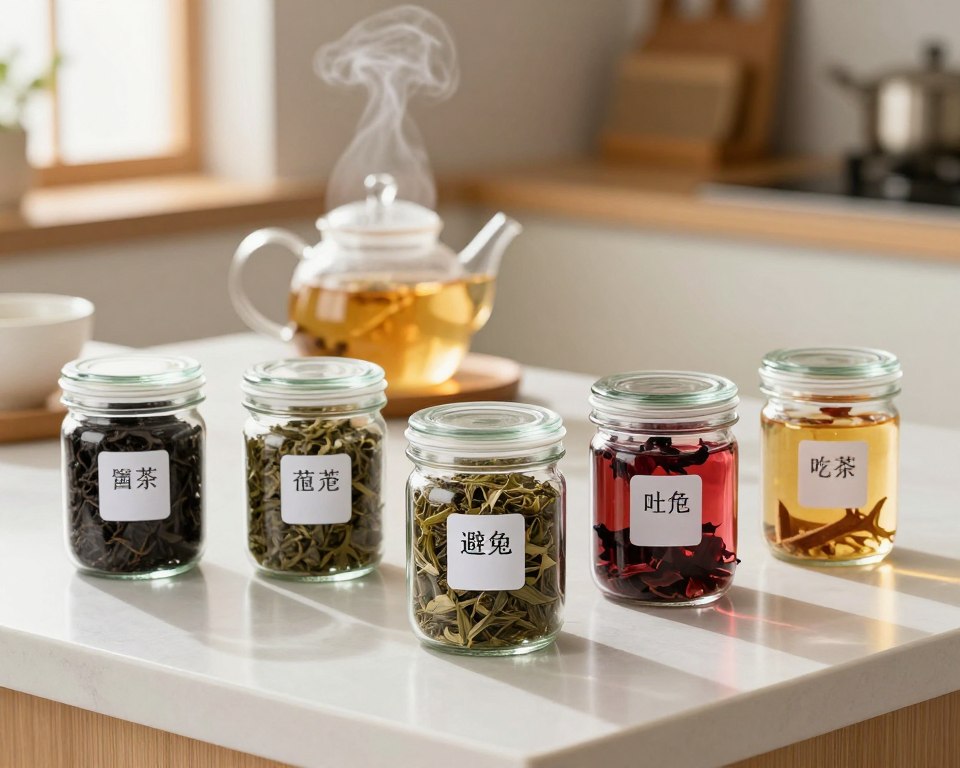
Did you know your favourite tea might be raising your blood pressure? Many people don’t think about how their drinks affect their heart health. This article will discuss 5 teas that patients with high blood pressure should avoid.
Knowing how certain ingredients affect our bodies is important. It helps us make choices that support our health goals. You’ll learn which teas to avoid and how to better manage high blood pressure.
Key Takeaways
- Certain teas can negatively affect blood pressure levels.
- Awareness of ingredients is essential for heart health.
- Identifying problematic teas helps in hypertension management.
- Making informed beverage choices supports overall wellness.
- Understanding dietary habits is key to managing hypertension.
Understanding Hypertension and Dietary Choices
Hypertension, or high blood pressure, affects millions in the U.S. The American Heart Association says nearly 122 million adults are impacted. This condition needs careful attention to what we drink. Some drinks can raise blood pressure and affect heart health. Knowing this helps make better choices to manage blood pressure.
It’s key to see how drinks affect heart health. Some drinks may have ingredients that raise blood pressure or harm the heart. Knowing these risks helps make better choices every day.
Impact of Beverages on Cardiovascular Wellness
Many common drinks can affect blood pressure. Here are some to think about:
- High-sugar drinks: Sodas and sweetened drinks can lead to weight gain, raising the risk of hypertension.
- Alcohol: Too much can raise blood pressure and lead to heart disease.
- Caffeinated drinks: Coffee and energy drinks may briefly raise blood pressure.
Identifying Potential Risks in Daily Consumption
Daily habits greatly impact heart health. Think about these when picking drinks:
- Check labels for added sugars and sodium.
- Drink alcohol in moderation.
- Watch your caffeine intake, especially if you’re sensitive to it.
5 Teas High Blood Pressure Patients Should Avoid
Managing high blood pressure means watching what you eat closely. Tea is often overlooked in this effort. Some teas can harm your heart health. It’s important to know which ones to stay away from. Here are the 5 teas high blood pressure patients should avoid:
- Black tea contains caffeine, which can elevate blood pressure.
- Green Tea – While healthy in moderation, excessive consumption can increase heart rate.
- Yerba Mate – This herbal tea is high in caffeine and can be dangerous for people with high blood pressure.
- Matcha – Similar to green tea, matcha has concentrated caffeine levels that may pose risks.
- Pu-erh Tea – This fermented tea can affect blood pressure due to its stimulant properties.
These teas are considered the worst for heart health. They can cause blood pressure to rise and increase the risk of heart disease. Knowing which teas to avoid helps make safer choices. Avoiding these teas can improve your health.
By cutting out these teas, patients can better control their blood pressure. It’s key to talk to doctors for advice on what drinks are safe.
Analysing Caffeine, Tea, and Hypertension Risk Factors
Caffeine is found in many teas. It’s important for people with high blood pressure to know about the risks. Caffeine can raise blood pressure, even in those without high blood pressure. This effect can vary, especially with green tea.
Keeping an eye on caffeine intake is key to heart health. Here are some important points:
Stimulant Effects on Arterial Pressure
Caffeine’s stimulant effects can change arterial pressure in different ways:
- Caffeine can cause a temporary increase in blood pressure.
- People react differently to caffeine based on their sensitivity.
- Regular use can build tolerance, but it doesn’t remove all risks.
Monitoring Daily Intake for Heart Health
To manage caffeine well, consider these tips:
- Keep track of daily caffeine from all sources, including tea.
- Know the effects of green tea on blood pressure, as it contains caffeine.
- Limit intake to avoid blood pressure spikes.
It’s vital to understand how caffeine affects blood pressure for heart health. By monitoring your daily intake and understanding your sensitivity, you can better manage the risks of caffeine in tea.
Herbal Teas and High Blood Pressure Interactions

Many people drink herbal teas for their health benefits. But some teas can be risky for those with high blood pressure. It’s important to know which ones to avoid.
Just because something is natural doesn’t mean it’s safe. Some herbs can change blood pressure levels. It’s key to check what’s in the tea. Here are some teas that might not be good for high blood pressure:
- Liquorice Root – Known to raise blood pressure significantly.
- Hibiscus – While it may lower blood pressure, too much can cause problems.
- Ginseng can interact with blood pressure medicines.
- Green tea has caffeine, which can raise blood pressure in some people.
When picking herbal teas, keep these tips in mind:
- Look up the herb and its effect on blood pressure.
- Talk to a doctor before trying new teas.
- Keep an eye on your blood pressure to see if it changes.
Knowing about herbal teas and blood pressure can help you choose wisely. A careful choice can support heart health without harming your well-being.
Managing Tea Contraindications for Heart Health
For people with high blood pressure, knowing which teas to avoid is key. Some teas can harm your health or interact badly with medicines. Knowing these risks helps keep your heart safe and prevents problems.
Liquorice Root and Blood Pressure Spikes
Liquorice root is found in many herbal teas. It has glycyrrhizin, which can be harmful. This substance lowers potassium levels, raising blood pressure.
Drinking liquorice tea can cause blood pressure to spike. This might lead to heart rhythm issues. People with high blood pressure should steer clear of liquorice tea.
Consulting Professionals Regarding Medication Interactions
Always talk to your doctor about interactions between blood pressure medication and tea. Mixing certain teas with medicines can be dangerous. Here are some key points:
- Discuss all herbal teas with your doctor.
- Be aware of tea contraindications related to hypertension and your specific medications.
- Monitor your blood pressure regularly if consuming herbal teas.
Knowing the risks of different teas helps you make better choices. Taking these steps can improve the management of high blood pressure and heart health.
Conclusion
Keeping your heart healthy means knowing how drinks affect your blood pressure. If you have high blood pressure, watch what teas you drink. Avoiding certain teas can help you better manage your heart health.
Choosing the right teas is crucial for those with high blood pressure. Caffeine and some herbal ingredients can be harmful. Knowing this helps you make better choices for your health.
Always talk to a doctor before changing your diet or medicine. This advice is important for long-term health and keeping your heart in top shape. Making smart choices about what you drink is key to managing high blood pressure well.