Soups that lean on vegetables, legumes, fish and herbs can fit a joint-friendly diet, but no single bowl relieves arthritis on its own. Soup at home is one of the easiest ways to add these foods to everyday cooking. The ideas here use ingredients linked to joint comfort, and each one fits a busy weeknight.
On a cold evening, a hot bowl of soup can feel like the best part of the day. Joint pain from arthritis or overuse can make long stretches at the stove tiring. Simple recipes help you eat well without standing over a pot for hours.
An anti-inflammatory diet is an eating pattern built on whole foods, vegetables, legumes, fish and nuts. It limits refined carbohydrates, fried foods and processed meats. Soup fits this pattern well because one pot can hold vegetables, beans, fish, chicken, and herbs. Diet supports joint health, but it works alongside movement and medical care.
Key Takeaways
- Soups can add vegetables, legumes, fish and herbs to your meals.
- Diet supports joint health, but it does not treat arthritis.
- Beans and lentils add protein and fibre at a low cost.
- If you take warfarin, keep your vitamin K intake steady.
- Check sodium on broth labels and canned foods.
- Pair soup with movement and medical care for the best results.
Pick two or three of these soups for the coming week and note how your joints feel.
What the Research Says About Anti-Inflammatory Soups
A review of 23 trials found that anti-inflammatory diets gave a small gain in physical quality of life. The review pooled 3,294 adults with chronic disease. Most trials compared these diets with usual care or with other eating plans.
The physical score rose by a standardised mean difference of 0.17, with a 95% range of 0.06 to 0.27. That is a modest shift, not a large change in how people feel or move. The full review is a systematic review and meta-analysis of anti-inflammatory diets and health-related quality of life in adults with chronic disease.
What the Trials Found for Physical Function
Physical function means how well you move and manage everyday activities. The review found a small gain in physical quality-of-life scores. Those scores track how a person rates their body and daily movement.
The review did not find a significant gain in mental quality of life. General health scores also did not improve meaningfully. So the benefit appears limited to the physical side of daily life.
Why the Evidence Is Still Weak
The certainty of the evidence was rated low, which means the results could change with better studies. None of the 23 trials met the Cochrane criteria for low risk of bias. Bias here refers to errors in how a study was conducted or reported.
None of the 23 trials met the Cochrane criteria for low risk of bias.
Trials also differed in length, and in the foods they asked people to eat. That makes it hard to say which soup or meal pattern works best. A soup can still be a healthy choice, but it is not a proven treatment for joint pain. Treat any anti-inflammatory eating plan as a supporting habit alongside movement and medical care.
Beans, Lentils and Chickpeas: The Legume Base
One cup of cooked chickpeas gives about 15 g of protein and 13 g of fibre. Beans, lentils and chickpeas are the legume base for many soups in this list. They are cheap, shelf-stable and easy to add to broth.
The Arthritis Foundation recommends about 1 cup of beans twice a week or more as an inexpensive source of protein and fibre. Legumes also help with fullness, so a bowl can be a full meal. Plant protein gives you an option that does not depend on meat.
The table below compares four common legumes per cooked cup. Numbers are rounded and vary a little by brand and cooking time.
| Legume | Serving (cooked) | Protein | Fiber |
|---|---|---|---|
| Red lentils | 1 cup | 18 g | 16 g |
| Chickpeas | 1 cup | 15 g | 13 g |
| Black beans | 1 cup | 15 g | 15 g |
| Navy beans | 1 cup | 15 g | 19 g |
Canned beans are convenient, but they often hold extra salt. Drain them and rinse them under cold water for about a minute. Rinsing can cut a good share of the sodium before the beans reach your pot.
Red lentils break down into a creamy base, which suits blended soups. Black beans and navy beans hold their shape better in chunky bowls. Pick the type that matches the texture you want.
Add one can of rinsed beans to any soup in this list to reach the weekly target.
Greens and Vitamin K: Keeping Intake Steady
Adult men need 120 mcg of vitamin K a day, and adult women need 90 mcg a day. These are Adequate Intakes, the levels set for healthy adults. Leafy greens are a main source of vitamin K1, so they often show up in soup.
Green leafy vegetables are a primary dietary source of vitamin K1, which the body uses for normal blood clotting. For most people, eating greens is healthy and should not be avoided. What matters is how much you eat from day to day.
These greens often go into soups:
- Kale, which holds its texture in long simmers
- Spinach, which wilts in the last minute of cooking
- Swiss chard, with tender leaves and firm stems
- Collard greens, which need a longer simmer
- Broccoli, which adds colour and fibre
People who take warfarin, a blood thinner, need to keep vitamin K intake consistent from day to day. A sudden jump in greens can change how the medicine works. Many people find it easier to plan a set amount of greens for each soup.
Add the greens near the end of cooking so they keep their colour and texture. A cup of chopped kale or spinach in a pot of soup is an easy way to add a steady amount. Use the same amount each week, and don’t change it without a plan.
Anti-Inflammatory Chicken Soups
A whole chicken simmered with ginger and onion makes a broth most cooks can make in under two hours. Chicken soup is a classic comfort food, and you can make it in a few simple ways. The three soups below all use chicken as the protein base.
Most chicken soups in this list use a whole chicken or thighs simmered for 60 to 90 minutes. That time is long enough to build a rich broth and tenderise the meat. Start with cold water so the flavour builds slowly.
Chicken Ginger Soup With Turmeric and Onion
Place a whole chicken or thighs in a large pot with water, a sliced onion and a thumb of fresh ginger. Add a teaspoon of ground turmeric in the last 15 minutes of cooking. Shred the meat and return it to the broth before serving.
Turmeric in cooking gives much less of its active compound than a concentrated supplement does. Think of it as a flavour and colour boost, not a dose of medicine. Spices add taste, and the rest of the bowl does most of the nutritional work.
Chicken Feet and Daikon Collagen Broth
Simmer chicken feet and sliced daikon radish in water with a little salt for about three hours. The bones and connective tissue release collagen as they cook. Strain the broth and chill it so the fat rises and you can lift it off.
This broth is rich and slightly gelatinous when cold. It takes more time than a standard chicken soup, so plan it for a weekend. Use it as a base for other soups in the week.
Ashkenazi Chicken Soup With Dill and Parsley
Simmer chicken with carrots, celery, and onion until the meat falls off the bone. Stir in chopped dill and parsley just before serving. Add cooked noodles to each bowl so they do not soak up all the broth.
Choose low-sodium broth if you start with a store product, and add salt at the end. This lets you control how salty the soup tastes. Skim the fat from the top of the broth before serving to keep the soup lighter.
Vegetable and Herb Soups for Everyday Dinners
A lentil and turmeric soup with carrots and celery covers protein, fibre, and vegetables in one pot. This soup is a good starting point for busy nights. It uses pantry staples and needs only one pot.
The soups in this group rely on vegetables, herbs and a legume or protein. They fit a Mediterranean-style pattern built on olive oil, vegetables and beans. Use extra virgin olive oil to finish each bowl, which adds flavour without extra steps.
Lentil and Turmeric Soup With Carrots and Celery
Soften a chopped onion, carrots and celery in olive oil for about five minutes. Add red lentils, a teaspoon of turmeric and enough broth to cover them by two inches. Simmer until the lentils break down, about 20 minutes.
Season with salt and a squeeze of lemon. The lentils thicken the soup without any cream. Red lentils cook fast, so check them often.
Mediterranean Lentil and Herb Soup
Cook brown lentils with diced tomatoes, onion and garlic in a little olive oil. Stir in dried oregano and a bay leaf while the soup simmers. Finish with chopped parsley and a splash of red wine vinegar.
This soup tastes brighter than the turmeric version. The herbs carry most of the flavour, so use fresh parsley for the best result.
Celery Root and Leek Soup
Cook sliced leeks and cubed celery root in butter or olive oil until soft. Add broth and simmer for about 25 minutes, until the celery root is tender. Blend until smooth and add white beans for protein.
The soup has a mild, earthy taste. Thyme pairs well with the leeks. Top each bowl with a few thyme leaves.
The table below compares the three soups.
| Soup | Main vegetables | Main herb | Main legume or protein |
|---|---|---|---|
| Lentil and Turmeric Soup | Carrots, celery | Parsley | Red lentils |
| Mediterranean Lentil and Herb Soup | Onion, tomatoes | Oregano | Brown lentils |
| Celery Root and Leek Soup | Celery root, leeks | Thyme | White beans |
Stir in a handful of chopped leafy greens at the end for colour and extra nutrients.
Activity and Weight Alongside Your Soup
Walking, cycling and aquatic exercise are low-impact options for osteoarthritis. Physical activity can reduce pain and improve how well you move. Diet and movement work best when you use both.
Physical activity can reduce pain and improve physical function and quality of life in knee and hip osteoarthritis. A soup-based diet supports that effort by helping you keep a steady weight. Movement and food each play a role in daily joint comfort.
Low-Impact Movement Options
Low-impact exercise puts less stress on the joints than running or jumping. These options are often a good fit for people with joint pain:
- Walking on flat paths or a treadmill
- Cycling on a stationary bike or outdoors
- Aquatic exercise, such as water walking or swimming
- Strength training with light weights or bands
Pick the option you enjoy most. You are more likely to stick with a routine you like. A short walk after dinner can be a simple habit to start.
Weight Goals in Osteoarthritis Guidelines
Many guidelines suggest weight loss for knee and hip osteoarthritis. Losing 5-10% of body weight showed a modest benefit for knee pain in one review. A 5% target is the number guidelines most often mention.
Weight loss is one part of care. It does not cure joint disease on its own. Soup can help you eat a satisfying meal with fewer calories than many fried dishes.
Start with a short daily walk and add time over a few weeks rather than all at once. Sudden increases often lead to sore joints. Slow changes give your body time to adjust.
Safe Handling for Homemade Chicken Soup
Chicken must reach 165 °F for at least 15 seconds before the soup is safe to serve. Use a food thermometer to check the thickest part of the meat and the broth. Guessing by colour is not reliable.
Cooling and reheating carry equal risk. Cool cooked chicken to 70 °F within 2 hours, then to 40 °F or lower within 4 hours. Reheat soup and shredded chicken to 165 °F for at least 15 seconds before serving.
Keep hot soup at 135 °F or higher while it sits out for a buffet or party. Below that temperature, bacteria can grow fast. Use a warmer or stir the pot often to keep the heat even.
Deep containers hold heat and cool slowly, so a tall pot can stay warm in the middle for hours. Pour the soup into several shallow containers instead. Each container should be no more than about two inches deep so the heat leaves quickly.
A common mistake is leaving a pot on the stove overnight to cool. Warm soup in that state can stay in the danger zone for many hours. Move the soup to the refrigerator within the cooling window.
Divide large pots into shallow containers so the soup cools to 40 °F within four hours.
Pulses in Soup: Protein and Processing
Dry lentils, chickpeas and dry peas must be cooked before anyone eats them. Raw or undercooked pulses can cause stomach upset and may contain compounds that cooking breaks down. Simmering in broth is a safe and easy way to finish them.
Pulses provide protein, fibre, resistant starch, vitamins and minerals. Lentils carry about 25% protein, chickpeas about 21% and dry field peas about 24%. These shares are averages, so the exact amount can vary by variety.
How Pulses Must Be Prepared
Dry pulses need more cooking time than canned ones, and each type has its own timing. The table below shows the main points for three common types.
| Pulse type | Protein share | Soaking and cooking note |
|---|---|---|
| Lentils | About 25% | Rinse, then simmer 20 to 30 minutes without soaking |
| Chickpeas | About 21% | Soak overnight, then simmer 1 to 2 hours |
| Dry field peas | About 24% | Simmer 45 to 60 minutes until soft |
Follow these steps when you cook dry pulses in soup:
- Sort out stones and broken pieces before cooking.
- Rinse the pulses in cold water.
- Soak chickpeas overnight if you have time.
- Add salt after the pulses are fully tender, not before.
Protein Levels in Common Pulses
Red lentils cook faster than whole lentils because their outer skin is removed. They can be ready in about 15 to 20 minutes. That makes them a good choice for quick weeknight soups.
Protein helps you feel full after a bowl. Pair pulses with vegetables and a little olive oil for a balanced soup.
Cook dry pulses fully in the broth rather than adding them raw to a soup pot.
Tortilla Soup and Chilli Batches
One cup of a USDA tortilla soup gives 173 calories, 8 g of protein and 449 mg of sodium. That sodium figure is the number to watch, especially if you eat soup often. The recipe is built for large batches, which makes it useful for planning a week of dinners.
The USDA school-meal recipe yields 50 or 100 servings of 1 cup each. Batch cooking like this saves time and makes portions easy to freeze. A large pot of chilli or tortilla soup can carry you through several weeknights.
Cooking a Large Batch of Tortilla Soup
The recipe includes chicken, tomatillos, Roma tomatoes, poblano or Anaheim peppers, red bell pepper, onion, carrots, jalapeño, garlic and lime juice. Roast the tomatillos and peppers first to bring out their flavour. Simmer the chicken in the broth, then shred it back into the pot.
Canned tomatoes can add a lot of sodium. Rinse them before use, or choose a no-salt-added type. Lower-sodium broth also helps keep the total down.
Toppings add sodium and fat. Shredded cheese, sour cream and crushed tortilla chips can add more than the soup itself. Use a small amount of each, or choose sliced avocado and fresh cilantro.
Use lower-sodium broth and skip salty tortilla chips if the sodium count matters to you.
Collagen Products and Soup Broth
Collagen comes in several forms, and the forms differ in how they are made and what they contain. Broth is often called a natural source of collagen. The amount in a bowl is small, though, and it is not the same as a supplement.
Collagen products differ by structure and composition, including native collagen, gelatin and hydrolysed collagen. Their proposed mechanisms for joint health also differ. Research on these products is still limited, so no form has a proven joint benefit.
Native Collagen, Gelatin and Hydrolysed Collagen
Here is a plain guide to the three main forms:
- Native collagen keeps its original three-part structure and is found in cartilage and tendons.
- Gelatin is made by cooking collagen with water, which breaks the long chains into smaller pieces.
- Hydrolysed collagen is broken down into very small peptides, which dissolve easily in cold liquids.
Each form behaves differently in the body. Labels rarely explain these differences clearly. Read the product details before you buy.
What Broth Does and Does Not Supply
A homemade broth made from bones and connective tissue supplies small amounts of gelatin-like compounds. The gel you see when broth chills comes from these compounds. The amount depends on the bones, cooking time, and how much water you use.
A bowl of broth does not repair cartilage. It is a warm, savoury way to add some protein and minerals to a meal. Treat it as food, not as a joint treatment.
Ask a doctor before adding a collagen supplement, especially if you take other medicines.
Fish, Nuts and Seeds Soups
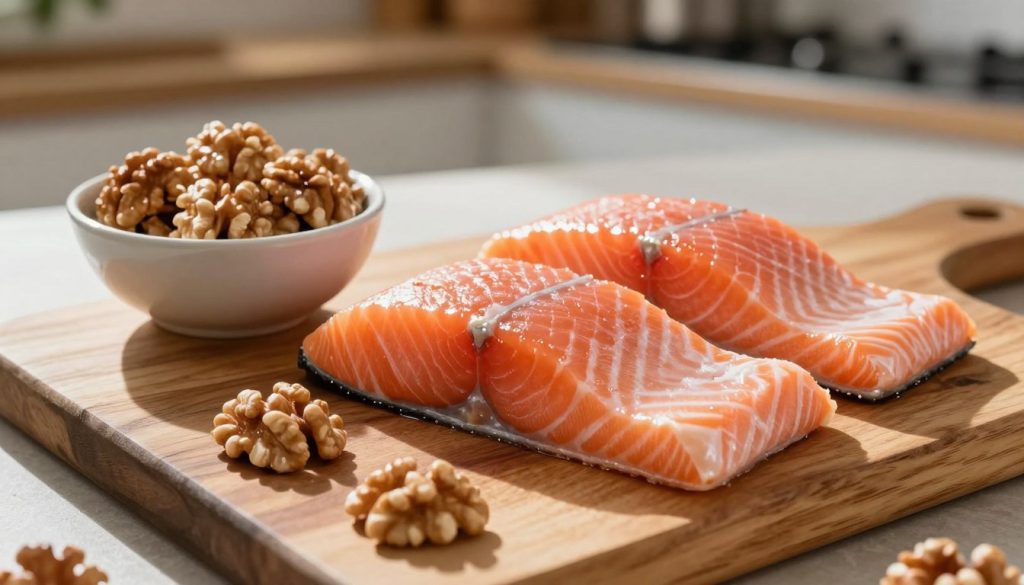
Experts recommend at least 3 to 4 ounces of fish twice a week for omega-3 fats. Fish is one of the best sources of these fats. Soup is an easy way to serve fish in a warm, filling bowl.
Omega-3-rich fish include salmon, tuna, mackerel and herring. Walnuts and chia seeds add plant omega-3s for people who eat little fish. A spoonful of nuts or seeds can be a simple finishing touch.
Salmon and Miso Soup for Omega-3 Intake
Bring a light dashi or vegetable broth to a simmer, then add thin slices of salmon and cook for about three minutes. Remove the pot from the heat before adding miso paste. Stir the miso into a little warm broth first to blend it smoothly.
Miso is salty, and some types hold a lot of sodium. Use half the usual amount and taste before adding more. Stir miso in off the heat to keep its flavour and cut sodium by using half the usual amount.
Chia and Walnut Garnish for Plant Omega-3
Walnuts contain about 10 times the omega-3 of olive oil. A small handful of chopped walnuts adds crunch and healthy fats to a bowl of lentil or squash soup. Toast them in a dry pan for two minutes to bring out a deeper taste.
Chia seeds swell in liquid, so stir them into the soup and let them sit for five minutes before serving. The table below compares three add-ins.
| Add-in | Omega-3 source | Serving note | Preparation tip |
|---|---|---|---|
| Salmon | Fish omega-3 fats | 3 to 4 ounces per bowl | Add to hot broth for three minutes |
| Walnuts | Plant omega-3 fats | A small handful per bowl | Toast in a dry pan first |
| Chia seeds | Plant omega-3 fats | 1 teaspoon per bowl | Stir in and let sit for five minutes |
Bowl Ideas From a Pantry
A pressure cooker can finish a lentil soup in one pot in about 30 minutes. Pantry soups save you a trip to the store on a busy night. Most of the ingredients keep for months on a shelf.
You can make Instant Pot lentil soup in one pot by setting high pressure for the time the recipe lists. A slow cooker finishes most soups in 6 to 8 hours on low. Choose the method that fits your schedule.
Quick Lentil Soup in a Pressure Cooker
Add rinsed dry lentils, diced onion, carrots, a can of tomatoes and broth to the pot. Set to high pressure for the time the recipe lists, then let the pressure release naturally for about 10 minutes. Stir in frozen spinach or peas at the end.
Keep a few staples on hand so you can make this soup on short notice. Here is a short pantry list:
- Canned tomatoes, with no salt added if possible
- Dry lentils, rinsed before cooking
- Wild rice, which adds chew and a nutty taste
- Frozen vegetables, such as peas, spinach and corn
- Low-sodium broth in a carton or a jar of stock paste
Frozen vegetables work well in soup and save chopping time. They often hold their nutrients because they are frozen soon after harvest.
Slow Cooker Chicken and Rice Soup
Place chicken thighs, diced carrots, celery, onion and broth in the slow cooker. Cook on low for 6 to 8 hours until the chicken is tender. Shred the meat and add wild rice in the last hour of cooking.
Wild rice takes longer to cook than white rice, so add it early enough. Check the pot near the end and add a little water if the soup has thickened too much. A slow cooker is a good match for a meal that waits for you.
Store leftover soup within two hours of cooking and refrigerate it in shallow containers.
Broth Quality, Sodium and Label Checks
A cup of canned broth can hold several hundred milligrams of sodium, so check the label before you pour. Sodium above 600 mg per cup is common in canned broth products. Sodium adds up fast when you also use canned beans, cheese or tortilla chips.
A USDA tortilla soup serving holds 449 mg of sodium per cup, and a broth alone can match that. Choosing a lower-sodium base lets you keep the soup flavorful without overloading on salt. The next steps show how to read labels and make your own.
Reading Sodium Figures on Broth Labels
Check the serving size first, because many cartons hold two servings. Look for the milligrams of sodium per serving, not per container. Compare products using the same serving size.
Look for words like low sodium or reduced sodium. Also check the ingredient list for salt, bouillon or soy sauce near the top. Those items often mean a high-sodium product.
Dilute stronger broth with water to lower the salt in each bowl. Mixing half broth and half water cuts the sodium roughly in half. Taste before you add any more salt.
Making Your Own Low-Sodium Stock
Simmer chicken bones or vegetable scraps in water with a sliced onion, a carrot and a few peppercorns. Keep the heat low and cook for two to four hours. Skip the salt and strain the stock before using.
Homemade stock gives you control over the salt level. It also freezes well, so you can make a large batch once. Freeze homemade stock in ice cube trays so you can add small amounts to soups.
Choosing and Storing Soup Ingredients
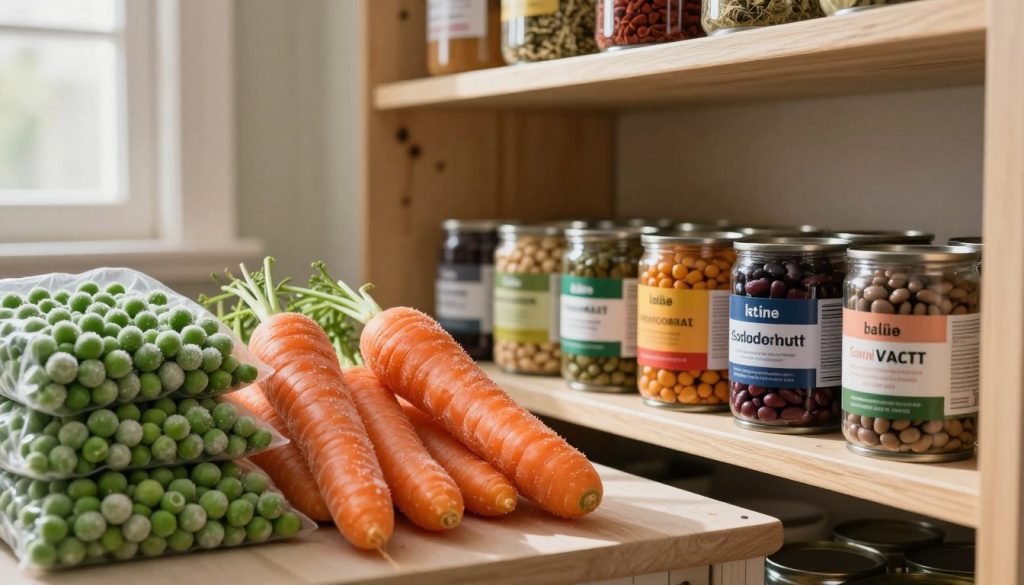
Frozen vegetables work as well as fresh ones in most soups in this list. They are picked and frozen at peak ripeness, which helps them keep their nutrients. They also cost less and last longer in the freezer.
Canned beans save time, while dry beans cost less and let you control the salt. Dry beans soaked overnight cook in about 1 to 2 hours on the stove. Canned beans are ready in minutes, which makes them handy for weeknights.
Fresh Versus Frozen Vegetables
Fresh vegetables taste best when they are in season and eaten within a few days. Frozen vegetables are a steady choice all year. Add frozen vegetables straight to the pot without thawing.
Squeeze frozen spinach dry before adding it to soup. This keeps the broth from getting watery. Wash fresh greens well and chop them before cooking.
Dry Versus Canned Beans
Canned beans are fully cooked and only need to be drained and rinsed. Dry beans take longer, but they cost much less per serving. Buy dry beans in bulk if you cook soup every week.
Cooked soup keeps for a set time in the fridge and freezer. Use these storage times as a guide:
- Refrigerator: 3 to 4 days
- Freezer: 2 to 3 months for best quality
- Freezer, flat in bags: thaws faster and stacks easily
Label each container with the date and use refrigerated soup within three to four days.
Common Questions About Joint-Friendly Soup Cooking
Eating soup with legumes two or three times a week is a practical target for most adults. This matches the guidance of about one cup of beans twice a week or more. Soup makes it easy to hit that target with little planning.
Many readers also ask about nightshade vegetables. The Arthritis Foundation says research has not found evidence that nightshades trigger flares. Tomatoes, peppers and potatoes can stay in your soup if you enjoy them.
Some people still notice that certain foods seem to bother them. Keep a simple food and symptom log for two weeks to see what works for you. Write down what you ate, how much you moved and how your joints felt that day.
Keep the weekly amount of vitamin K from greens steady if you take warfarin.
If you see a clear link between a food and your symptoms, talk with your doctor before cutting it out. Removing a food without a plan can leave gaps in your diet. Your doctor can help you find a safe alternative.
Conclusion
Soup works best as one part of a joint-friendly routine. Beans, lentils, greens, and fish provide useful nutrients, and movement and medical care do the rest. No single bowl will treat arthritis, but a regular habit can make meals more satisfying.
Pick one soup from this list and cook it this week, then note how your joints feel over the next month.