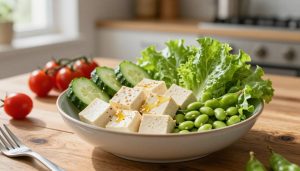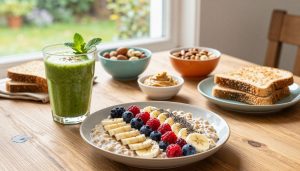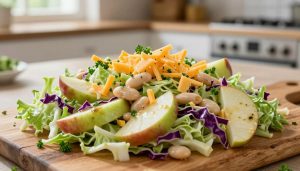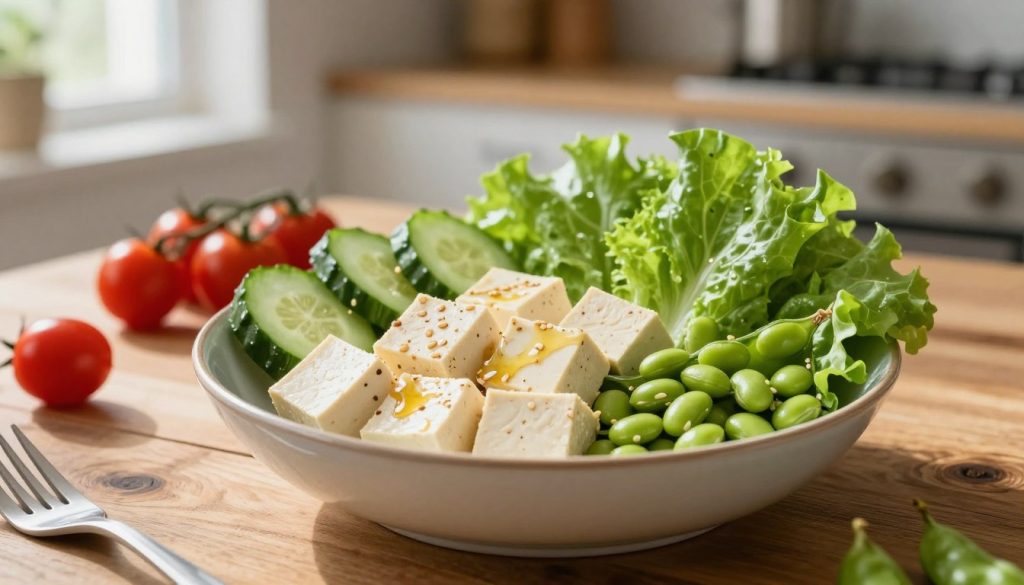
Soy foods like tofu and edamame supply all nine essential amino acids on their own. Essential amino acids are the nine your body cannot make, so your food must supply them.
Quinoa, amaranth, buckwheat, hemp seeds, chia seeds, spirulina and nutritional yeast are complete too. Most other plant foods are incomplete, meaning they are low in one or more of the nine, but they still add real protein.
Can a plant-based diet really cover every essential amino acid? Yes, if you eat a varied mix of plant foods across the day. A plant-based diet can give you solid vegetarian protein when you plan your meals.
Key Takeaways
- Soy foods, quinoa, amaranth and buckwheat supply all nine essential amino acids.
- Most other plant foods are incomplete but still useful.
- Your body cannot make the nine essential amino acids, so food must supply them.
- Eat a varied mix of plant foods across the day.
- Soy is the simplest starting point for complete plant protein.
- Hemp seeds and chia seeds are easy complete picks to sprinkle on meals.
Read the list for food ideas, then pair incomplete foods across the day to cover what each lacks.
What Your Body Needs From Protein
Your body needs nine essential amino acids from food. The adult recommended allowance is 0.8 g of protein per kg of body weight. That 0.8 g is the floor, not the goal.
Your body uses 20 amino acids to build proteins, and nine of them are essential. It makes the other 11 itself, but it cannot make the nine essential ones.
You do not need to combine amino acids at every meal. Your body pools them across the day.
The Nutrition Source from Harvard gives the same 0.8 g per kg minimum for adults. The 2025-2030 Dietary Guidelines for Americans recommend 1.2 to 1.6 g per kg per day.
A complete protein supplies all nine essential amino acids, and most plant foods supply only some.
A 130-pound adult needs 47 grams a day, and a 170-pound adult needs 62 grams. Multiply your weight in pounds by 0.36 to estimate your daily protein minimum in grams.
Which Plant Foods Are Rich in Amino Acids
Quinoa, amaranth and buckwheat are the grains on this list that contain all nine essential amino acids. Plant foods rich in amino acids include soy foods, quinoa, amaranth, buckwheat, chia seeds, hemp seeds, spirulina and nutritional yeast. A complete protein gives you all nine in one food.
Foods that supply amino acids suit a vegetarian diet, and every food in the table is plant-based. Below are plant-based amino acid options that suit most vegetarian meals.
| Food | Serving | Protein | Note |
|---|---|---|---|
| Quinoa | 1 cup cooked | About 8 grams | Common pick and complete |
| Amaranth | 1 cup cooked | 8-12 grams | Complete small seed grain |
| Buckwheat groats | 1 cup cooked | About 6 grams | Complete, and cooks like rice |
| Hemp seeds | 3 tablespoons | About 10 grams | Complete, sprinkle on meals |
| Nutritional yeast | 1/4 cup | About 6 grams | Concentrated, use small amounts |
Soy foods and quinoa are the most common picks. Spirulina and nutritional yeast are concentrated, so you use them in small amounts.
Add one complete plant food to two meals a day to start covering all nine amino acids.
Soy Foods Lead the Plant Protein Options
Soybeans contain more essential amino acids than most plant foods, so tofu, tempeh, and edamame are the simplest place to start. Soybeans have the highest total essential amino acid content among common foods. About 90 grams of soybeans supply the recommended amount of each essential amino acid for a 70 kg adult man.
Tofu is pressed soy milk curd, sold in silken, firm, and extra-firm varieties. Tempeh is a firm cake made from fermented soybeans. Edamame are immature soybeans, usually steamed or boiled.
Soy foods are the strongest plant sources for lysine, which grains tend to run low in. The amount of soybeans needed for full amino acid coverage is small compared with nuts and beans.
Buy tofu labelled firm or extra-firm for stir-fries and slices that hold their shape.
Protein Per Serving in Common Plant Foods
One cup of firm tofu gives 22 grams of protein, and one cup of edamame gives 23 grams. Good protein-packed foods for vegetarians include edamame, firm tofu, lentils, beans and chickpeas. Legumes are not complete on their own, but they add a lot of protein.
Here is the cooked protein per serving for the most common picks.
| Food | Serving | Protein | Best use |
|---|---|---|---|
| Firm tofu | 1 cup | 22 grams | Stir-fries and scrambles |
| Edamame | 1 cup | 23 grams | Snacks and salads |
| Lentils, cooked | 1 cup | 18 grams | Soups and stews |
| Black, kidney or pinto beans, cooked | 1 cup | 14-16 grams | Chili and tacos |
| Chickpeas, cooked | 1 cup | 14-16 grams | Salads and roasted snacks |
A third cup of hummus gives about 7 grams, so spread it on sandwiches or use it as a dip.
Keep one legume serving in each lunch to reach roughly 15-20 grams of protein.
Grains, Vegetables and Seeds That Add Protein
Brown rice, oats and barley each add 5 to 8 grams of protein per cooked cup. These foods are lower in one or more essential amino acids, so they help most when paired with other foods.
Grains and vegetables fill in the protein that your main foods leave out. Five everyday additions to start with:
- Barley: 5-8 grams per cooked cup
- Bulgur: 5-8 grams per cooked cup
- Brown rice: 5-8 grams per cooked cup
- Oats: about 6 grams per cooked cup
- Broccoli: about 5-6 grams per cooked cup
Seeds such as pumpkin and hemp add protein per spoonful. Cook a cup of oats or wild rice for breakfast or lunch to add an extra 6 grams.
How to Pair Plant Foods Across the Day
Rice and beans cover each other’s gaps, so eat them together or within the same day. Complementary proteins are two foods that fill each other’s gaps; this approach is called protein combining. Pairing does not have to happen at one meal.
Beans are generally lower in methionine, and grains help fill that gap. Four pairings to try:
- Rice and beans
- Hummus and pita
- Peanut butter on whole-wheat bread
- Oats with nuts and seeds
Your body pools amino acids across the day, so pairing over a day is enough. Make one pairing a day and rotate them to cover different gaps.
Protein Needs for Older Adults and Athletes

Adults age 70 and older often need 1.0 to 1.2 g of protein per kg of body weight each day. The best protein sources for seniors include soy foods, legumes, and, if you eat them, dairy. Protein supports muscle and bone health in seniors.
Protein Targets for Adults Age 70 and Older
A health professional can narrow that range for your health history. Spread protein across meals so each one carries a meaningful amount.
Protein Targets for Active Adults and Athletes
Athletes typically need 1.2 to 2.0 g per kg per day, and the figure varies by activity. For athletes, protein works alongside resistance training, which drives muscle gain more than protein alone.
Protein Needs During Cancer Recovery
People recovering from cancer treatment may need more protein than the usual range. Ask a registered dietitian to set your number if you are recovering from illness.
Build a 40-Gram Protein Breakfast With Plant Foods
A firm tofu scramble with quinoa and soy milk reaches about 40 grams of protein. You can get 40g of protein for breakfast using plant foods alone. Firm tofu gives 22 grams per cup, so it sets the base.
Here is the high-protein breakfast, with the estimate for each item:
- Firm tofu, 1 cup: about 22 grams
- Cooked quinoa, half cup: about 4 grams
- Soy milk, 1 cup: about 8 grams
- Nutritional yeast, one-quarter cup: about 6 grams
Stir in nutritional yeast while the tofu cooks. Sprinkle seeds on top for protein without extra cooking.
Check the soy milk label, since protein per cup varies by brand.
What to Know Before You Take Amino Acid Supplements
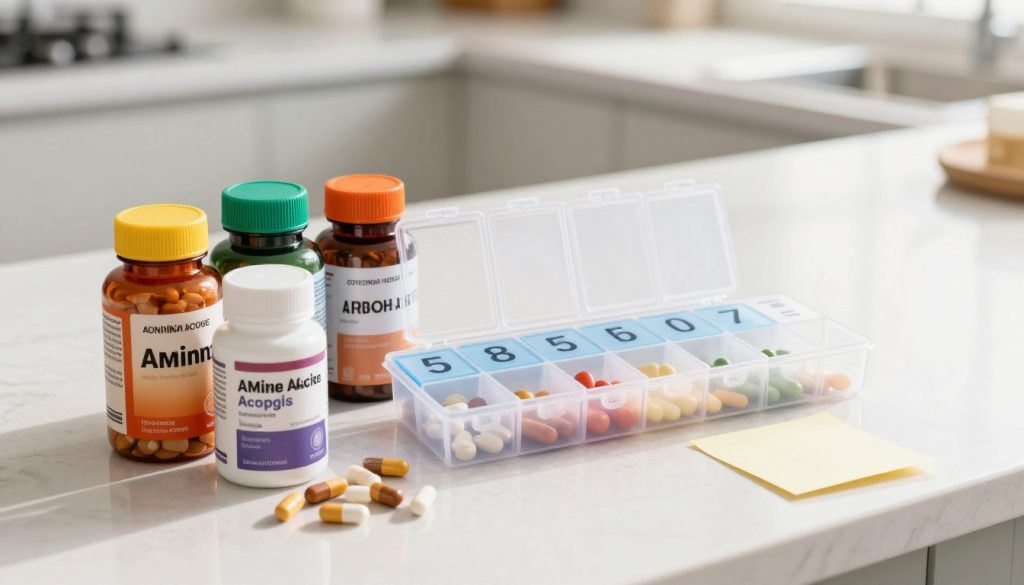
The FDA does not approve dietary supplements, including amino acid supplements, for safety and effectiveness before they are sold. Amino acids taken daily are not checked for safety before sale, so check with a doctor first. Amino acid side effects vary by product, so read the label before the first dose.
What the FDA Says About Supplement Safety
Because no approval comes first, the label is your main guide. Take only as directed on the label, and don’t treat a supplement as a shortcut around your meals.
Medication and Surgery Interactions
Supplements can change how your body absorbs or clears medicines. Health professionals may ask you to stop some supplements two or three weeks before surgery.
| Concern | Why it matters | What to do |
|---|---|---|
| Medicine interactions | Supplements can change how medicines are absorbed or cleared | Tell your doctor or pharmacist first |
| Surgery | Some supplements may need to stop before an operation | Stop only when your care team says to |
| Daily use | Supplements are not checked for safety before sale | Take only as the label directs |
| Replacing food | Supplements should not replace a varied diet | Keep eating a varied mix of plant foods |
Tell your doctor or pharmacist about any amino acid supplement before you start it.
Choosing Plant Foods for Your Week
A varied week of soy, legumes, grains and seeds covers all nine essential amino acids without tracking each one. A simple plant-based meal plan rotates soy, legumes, grains and seeds so no single food carries the load.
A plant-based intake of about 50-60 grams of protein covers most adult baseline needs.
Dietary guidelines call for a varied diet throughout the day, so mix foods at each meal. Five weekly habits make that simple:
- A soy food most days
- A legume at two meals
- A whole grain every day
- A seed each day
- One pairing across the day
Variety does the tracking for you, so check your habits instead of each nutrient. Pick two new plant foods this week and add them to your usual meals.
Conclusion
Soy foods, quinoa, amaranth and buckwheat are the easiest complete plant proteins to start with. Most other plant foods are incomplete, but they still add protein and fill gaps when you vary them across the day.
Add one complete plant food to your next grocery list.