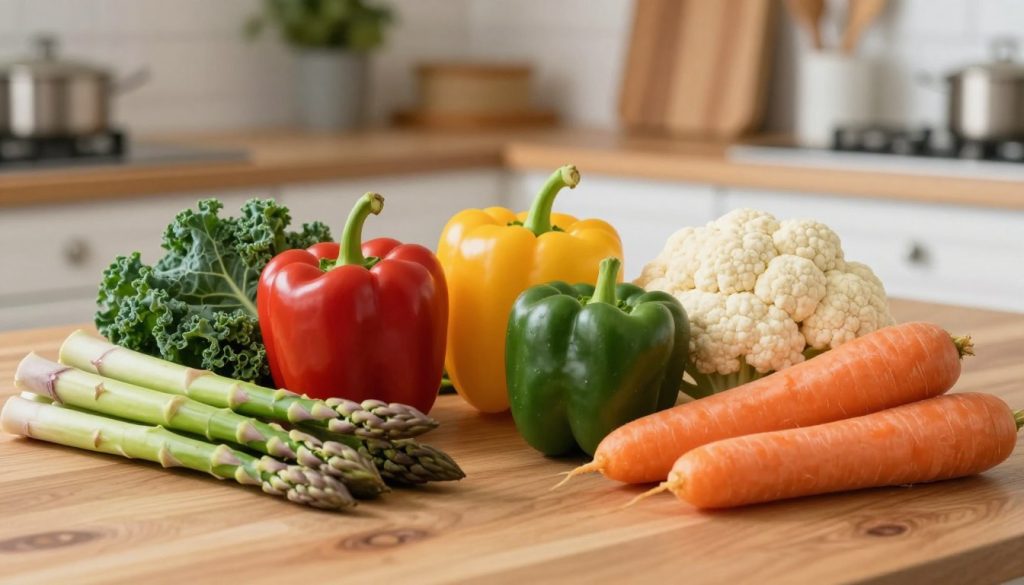
Did you know the human kidneys filter about 200 quarts of blood every day? This amazing process removes waste and keeps fluid levels just right. Supporting this vital organ system begins with what we buy at the grocery store.
Choosing a plant-based diet is a great way to ease the kidneys’ work. Eating certain foods gives our bodies important vitamins and minerals. This guide shows five natural foods that nutritionists say are good for a healthy lifestyle.
These foods help keep mineral levels in check and provide top-notch nutrients. Making these small changes in our diet can lead to better health over time.
Key Takeaways
- The renal system filters 200 quarts of blood daily to maintain homeostasis.
- Plant-based nutrition significantly reduces the metabolic burden on renal tissues.
- Specific produce choices help regulate fluid balance and mineral concentrations.
- Small, consistent dietary changes lead to improved long-term organ function.
- Nutritionists suggest focusing on nutrient-dense options to support overall vitality.
Understanding Renal Health and Dietary Choices
The food you eat has a big impact on your kidney health. Your kidneys filter waste and excess fluids from your blood. By eating for your kidneys, you help them work better and keep your body balanced.
If your kidneys aren’t working well, they might struggle with certain minerals. That’s why choosing the right renal health vegetables is key. Eating wisely can help your kidneys do their job better.
It’s important to know how minerals affect your body. You need to watch your sodium, potassium, and phosphorus intake. These minerals can build up if your kidneys can’t filter them out.
| Mineral | Primary Function | Renal Consideration |
|---|---|---|
| Sodium | Fluid balance | Can increase blood pressure |
| Potassium | Muscle/Nerve function | May accumulate if filtration slows |
| Phosphorus | Bone health | Excess levels can weaken bones |
Being proactive with your diet is key to keeping your kidneys healthy. Choosing the right foods lets you eat for your kidneys and enjoy tasty, healthy meals. Adding kidney-health vegetables to your diet is a simple way to support your body’s health.
Eat for Your Kidneys: 5 Vegetables to Keep in Regular Rotation
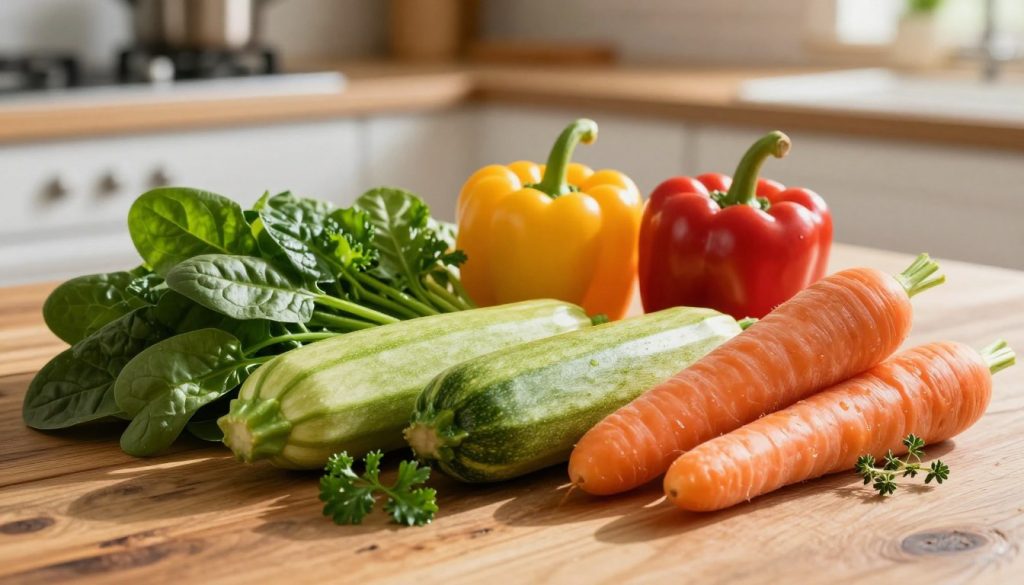
Adding certain vegetables to your meals can boost your kidney health. Kidney-friendly vegetables give you important vitamins and keep mineral levels safe. These choices help keep your energy up and your body healthy.
Cauliflower: The Versatile Powerhouse
Cauliflower is great for your kidneys because it’s low in potassium and phosphorus. It’s a good swap for potatoes or rice in many dishes. You can mash, roast, or steam it for a tasty side dish that’s good for your kidneys.
Red Bell Peppers: Low-Potassium Flavour
Red bell peppers are excellent for kidney health. They add a sweet flavour without too much potassium. They’re also full of vitamins A, C, and B6, which help your immune system.
Garlic: A Heart-Healthy Flavour Enhancer
Garlic is a great way to add flavour without salt. It’s good for your kidneys because it helps manage sodium. Garlic also has anti-inflammatory properties that are good for your heart and blood pressure.
Cabbage: The Budget-Friendly Fibre Source
Cabbage is cheap and full of nutrients. It’s low in potassium, making it safe for your kidneys. It also has a lot of fiber, which is good for digestion.
Onions: A Nutrient-Dense Kitchen Staple
Onions are packed with antioxidants, making them great for kidney health. They add flavour to dishes without needing processed seasonings. Keeping onions on hand means you always have a healthy way to flavour your meals.
| Vegetable | Key Benefit | Best Use |
|---|---|---|
| Cauliflower | Low Phosphorus | Mashed or Roasted |
| Red Bell Pepper | Vitamin Rich | Raw or Sautéed |
| Garlic | Sodium Alternative | Flavor Base |
| Cabbage | High Fiber | Soups or Slaws |
| Onions | Antioxidants | Sautéed or Raw |
Preparing Vegetables to Maximise Kidney Benefits
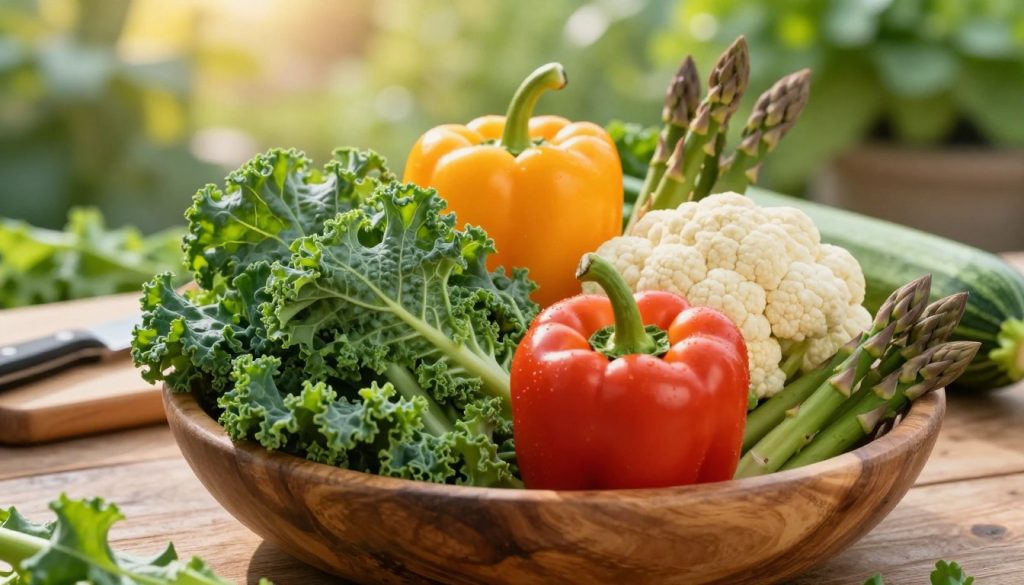
When you focus on renal health vegetables, how you prepare them is key. The right preparation lets you enjoy more produce safely. It helps you better control your daily nutrition.
The Importance of Leaching Potassium
Leaching is a simple way to lower potassium in veggies. You soak sliced or diced veggies in warm water for hours before cooking. It’s great for starchy veggies that are too high in potassium.
To leach, peel and slice your veggies thinly. Put them in a big bowl with warm water, making sure they’re fully covered. Soak for at least two hours, then drain and rinse well to remove minerals.
Cooking Methods That Preserve Nutrients
Choosing the right cooking method is key to supporting kidney function in vegetables. Boiling can remove minerals and vitamins. Steaming or sautéing is better because they keep nutrients and flavour without extra sodium.
When sautéing, use a little olive oil for flavour. This keeps veggies crisp and your vitamins intact. Try to cook quickly to preserve nutrients.
| Preparation Method | Best For | Nutrient Retention | Potassium Reduction |
|---|---|---|---|
| Leaching | Potatoes and Root Veggies | Low | High |
| Steaming | Leafy Greens and Peppers | High | Low |
| Sautéing | Onions and Garlic | Medium | Minimal |
| Boiling | Hard Vegetables | Low | Moderate |
Building a Balanced Kidney-Friendly Plate
Creating a balanced plate is key to keeping your kidneys healthy for the long term. It’s not just about picking the right veggies. You also need to mix in the right amounts of macronutrients for your body to function well. By choosing quality ingredients, you can make meals that are both tasty and kidney-friendly.
Pairing Vegetables with Lean Proteins
When cooking, pair high-quality proteins with kidney-friendly diet vegetables. Choose lean proteins like skinless chicken, turkey, or egg whites. They give you the amino acids you need without the extra fat. This combo keeps you full and gives you steady energy all day.
Adding plant-based proteins like tofu or small amounts of legumes to your greens is a good idea. This mix gives you all the nutrients you need while being gentle on your kidneys. Variety is key, so mix up the colors and textures to keep your meals interesting and nutritious.
Managing Sodium and Phosphorus Intake
It’s important to watch your sodium and phosphorus intake to support your kidneys. Many processed foods have hidden additives that can harm your kidneys over time. Instead of salt, use fresh herbs, garlic, or citrus zest to add flavor.
Phosphorus is another mineral to keep an eye on, found in dairy and processed meats. Eating fresh, whole foods helps you avoid these additives. Here’s a table showing how different proteins compare for a kidney-friendly diet.
| Protein Source | Sodium Level | Phosphorus Impact | Recommendation |
|---|---|---|---|
| Fresh Chicken Breast | Low | Moderate | Excellent choice |
| Egg Whites | Low | Very Low | Highly recommended |
| Processed Deli Meat | Very High | High | Avoid or limit |
| Firm Tofu | Low | Moderate | Good plant option |
Shopping Tips for Renal-Safe Produce
Shopping for food can be tough when you’re watching your kidneys. But with a plan, you can easily pick kidney-friendly vegetables. This way, your kitchen stays full of healthy, safe foods.
Selecting Fresh Versus Frozen Options
Many ask if fresh or frozen is better. Both can be great for a kidney-friendly diet vegetable plan. Frozen veggies are picked ripe, preserving nutrients.
When buying frozen, make sure there’s no extra sauce. Plain, frozen kidney-safe vegetables save money and are easy to use. Fresh is great for now, but frozen is good for later.
Reading Labels for Hidden Additives
Reading nutrition labels is key to a renal diet. Processed foods often have bad additives for the kidneys. Watch for “phos” in ingredients, as it means hidden phosphorus.
Stick to whole foods to avoid these chemicals. A quick label check keeps you healthy. Here’s a guide to help you shop wisely.
| Feature | Fresh Produce | Frozen Produce |
|---|---|---|
| Nutrient Retention | High (if eaten quickly) | High (locked at harvest) |
| Preparation Time | Requires washing/chopping | Ready to cook |
| Additives | Usually none | Check for added salt/sauce |
| Cost Efficiency | Varies by season | Generally consistent |
By following these tips, you make shopping easier for better health. Smart shopping makes every trip a step towards your well-being.
Lifestyle Habits That Complement Your Diet
Adding smart lifestyle choices to your diet of kidney-safe vegetables is key for long-term health. Nutrition is important for kidney health, but it’s even more effective when paired with daily habits. A holistic approach helps your kidneys work their best.
Staying Hydrated for Optimal Filtration
Drinking enough water is vital for kidney function. It helps remove toxins and waste. Staying hydrated keeps the kidneys balanced.
Talking to a healthcare provider about your water needs is important. Some people with kidney issues need to watch their fluid intake. Drinking water and eating kidney-safe vegetables support your health.
Monitoring Blood Pressure and Blood Sugar
High blood pressure and blood sugar can harm your kidneys. Consistent monitoring helps catch problems early. This way, you can work with your doctor to manage them.
Keeping blood pressure and sugar levels healthy is a big step. Simple actions like checking blood pressure or logging glucose levels help your doctor. By managing these, you help your kidneys thrive.
Conclusion
Choosing to eat for your kidneys is a smart move. It helps your body work better over time. This choice leads to a future filled with energy and strength.
Being consistent is key to any wellness plan. Making small changes to your meals can make a big difference. Seeing these changes as a long-term lifestyle helps you see better results.
Adding foods like cauliflower and red bell peppers to your diet helps your kidneys. Smart shopping and prep turn simple foods into health boosters. Every meal is a chance to focus on your health.
Those who stick to healthy eating find it becomes easy. It takes patience and dedication to keep up with your goals. Eating for your kidneys today sets you up for a healthier tomorrow.
Every day, small choices can keep you balanced. Try swapping one processed food for a healthy veggie next time you shop. This small step can start you on the path to better kidney health.