Are you overwhelmed by the many protein powders out there? You’re not alone. Dietitians share their top picks to help you choose. Knowing how much protein you need is key to keeping muscles strong and reaching your fitness goals.
The Dietary Guidelines for Americans say most adults need 0.8 to 1.2 grams of protein per kilogram of body weight daily. This guide will make it easier to find the right protein powder. You’ll learn how to choose products that align with your health goals and meet your daily protein needs.
Key Takeaways
- Dietitians offer expert recommendations on protein powders.
- Daily protein needs vary based on individual body weight and activity level.
- Choosing the right protein supplement can enhance your fitness journey.
- Evidence-based options prioritise your long-term health.
- Understanding your goals is key to selecting the right product.
Understanding Your Nutritional Needs
Before you start with protein supplements, know your nutritional needs. Your needs change based on how active you are, your body type, and your fitness goals. Supplements are meant to add to your diet, not replace it.
Assessing Your Daily Protein Requirements
To figure out your protein needs, follow these steps:
- Find out your weight in kilograms.
- Think about your activity level (sedentary, active, or athletic).
- Calculate your protein needs, usually about 1.6 grams per kilogram for muscle growth.
For instance, if you weigh 70 kg and want to build muscle, you’ll need about 112 grams of protein daily.
Identifying Your Fitness Objectives
Your fitness goals will guide the type of protein you should eat. Here are some common goals:
- Hypertrophy: You’ll need more protein to help your muscles grow.
- Endurance: A moderate amount of protein helps with recovery and performance.
- Weight Management: Balanced protein intake helps keep muscle while losing fat.
Talking to a professional can help you understand your specific needs. Nutritionist-recommended supplements can be key to reaching your goals when they match your needs.
Dietitians Recommend Their Favourite Protein Powders
Finding the right protein powder can be tough. This guide helps you pick the best ones. Dietitians recommend products with clear ingredient lists and third-party testing. These tests, such as those from NSF International or Informed-Choice, demonstrate that the products are safe.
When choosing a protein powder, keep these tips in mind:
- Seek out brands that have been thoroughly tested.
- Opt for products with straightforward ingredient lists.
- Look for certifications from trusted groups.
Here are some top protein powders dietitians recommend:
| Brand | Type | Protein Source | Certification |
|---|---|---|---|
| Optimum Nutrition | Whey Protein | Whey Protein Isolate | NSF Certified |
| Garden of Life | Plant-Based | Pea and Brown Rice | Informed-Choice |
| Vital Proteins | Collagen | Bovine Collagen Peptides | NSF Certified |
These picks aim to boost your recovery and metabolism. The right protein powder can greatly impact your fitness goals. Always check this guide before making your choice.
Selecting High-Quality Protein Supplements for Your Goals
Choosing the right protein supplement is key to your fitness journey. Look for high-quality options that fit your needs. Knowing what to look for will guide your choices.
Evaluating Clean Protein Powder Brands
When looking for clean protein powder, check the ingredients list. Here are some important points:
- Avoid products with unnecessary fillers.
- Look for options with fewer than five ingredients.
- Steer clear of artificial sweeteners and excessive added sugars.
Choosing clean protein powders helps avoid digestive issues and unwanted additives.
Finding the Best Protein Powder for Weight Loss
For weight loss, pick the best protein powder. Look for powders that are:
- High in protein content (20 to 30 grams per serving).
- Low in total calories to help maintain a caloric deficit.
- Designed to increase satiety and manage appetite.
These features can boost your weight loss efforts and provide the nutrition you need.
| Brand | Protein per Serving | Calories | Key Features |
|---|---|---|---|
| Brand A | 25g | 120 | Low sugar, 5 ingredients |
| Brand B | 30g | 150 | High fibre, gluten-free |
| Brand C | 20g | 100 | Plant-based, no artificial flavours |
By focusing on these aspects, you can confidently choose high-quality protein supplements that meet your fitness goals.
Comparing Plant-Based Options and Whey Protein Isolate
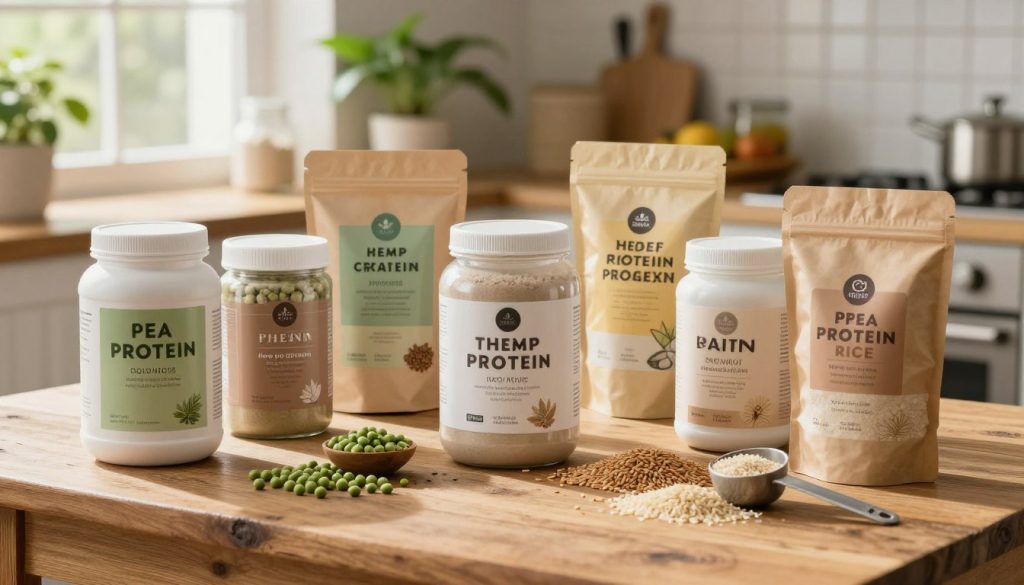
Choosing the right protein supplement can be tricky. You might wonder whether to go for plant-based options or whey protein isolate. Understanding the differences helps you make an informed decision based on your dietary needs.
The benefits of whey protein isolate are significant. It contains a high concentration of branched-chain amino acids (BCAAs), including leucine. This amino acid is key for muscle growth after workouts. If you are looking to build muscle, whey might be your best choice.
On the other hand, recommendations for plant-based protein powder often include blends such as pea and brown rice. These options provide a complete amino acid profile. They are excellent for those who are vegan or lactose intolerant. Choosing a blend ensures you receive all nine essential amino acids your body cannot produce on its own.
Here’s a quick comparison to help you decide:
- Whey Protein Isolate: Fast absorption, high in BCAAs, great for muscle recovery.
- Plant-Based Protein: Digestive-friendly, complete amino acid profile, suitable for vegans.
Ultimately, your choice should reflect your personal digestion and dietary preferences. Both options can support your fitness goals when chosen wisely.
Integrating Fitness Supplements Into Your Daily Routine
Adding fitness supplements to your daily routine can boost your workout results. The timing and type of supplements you choose are key. For building muscle, the right protein powder is vital. Also, registered dietitian-approved supplements can help with recovery and improve performance.
Optimising Protein Powder for Muscle Building
To get the most from protein powder for muscle building, follow these tips:
- Drink protein powder within 60 minutes after working out for the best muscle recovery.
- Choose a flavour and texture you like to make sure you use it often.
- Take protein powder with carbs to refill your energy.
Registered Dietitian Approved Supplements for Recovery
Recovery is as important as the workout itself. Using approved supplements can help your body heal and get stronger. Here are some benefits:
- Supports muscle repair after hard workouts.
- Increases strength gains and performance.
- Helps keep your diet balanced with supplements.
Consistency is key. By adding these supplements to your routine, you can help reach your fitness goals.
Conclusion
Finding the right protein supplement is a personal journey. Your fitness goals and nutritional needs are key. By knowing what you want, you can pick a protein powder that fits your lifestyle.
Quality ingredients are important. Knowing the difference between whey and plant-based options helps you choose wisely. This choice supports your health and fitness goals.
Supplements should be added to your diet, not replace it. With the right choice, you can reach your fitness goals. Enjoying a balanced nutrition plan is the key.