Did you know nearly 1 in 3 Americans will face a cancer diagnosis in their lifetime? This alarming fact underlines the need for preventive measures, including vitamins. We will explore if vitamin C can prevent cancer. The 1970s saw a surge in research on ascorbic acid’s health benefits, thanks to Nobel laureate Linus Pauling. His groundbreaking work sparked a new era of studying how nutrition affects cancer outcomes.
Our investigation into vitamin C and cancer will uncover the latest scientific findings. We aim to separate proven facts from speculation in integrative oncology. By the end, you’ll understand how your diet can impact your health and cancer risk.
Key Takeaways
- Vitamin C has been studied for its potential role in cancer prevention.
- Linus Pauling’s research in the 1970s sparked interest in vitamin C’s benefits.
- Recent studies shed light on vitamin C’s effectiveness against cancer.
- Grasping the evidence helps in making informed dietary choices.
- Nutrition is vital for overall health and cancer risk.
Understanding the Role of Vitamin C Antioxidant Properties
Vitamin C is vital for your health. It fights oxidative stress, which can harm cells. This section will dive into how vitamin C neutralises free radicals and keeps your cells safe through nutrition.
Neutralising Free Radicals in Your Body
Free radicals are unstable molecules that can damage your cells. Vitamin C’s antioxidant properties help by donating electrons to these free radicals. This action stabilises them and prevents further harm. This process is key for:
- Reducing oxidative stress
- Protecting DNA from damage
- Supporting overall cellular health
Protecting Cellular Integrity Through Nutrition
Eating enough vitamin C supports your body’s defences. A diet full of vitamin C helps shield your cells from environmental stress. Some top vitamin C sources include:
- Citrus fruits (oranges, lemons)
- Bell peppers
- Strawberries
- Broccoli
Understanding vitamin C’s antioxidant properties is key to cellular health. While its role in cancer prevention is debated, getting enough vitamin C is vital for your body’s defence.
Can Vitamin C Prevent Cancer

Exploring whether vitamin C can prevent cancer, it’s vital to distinguish between dietary intake and supplements. The National Cancer Institute’s research indicates that consuming vitamin C-rich fruits and vegetables can lower cancer risk. In contrast, isolated vitamin C supplements do not offer the same benefits.
Many studies emphasise the importance of dietary intake. A diverse diet of fruits and vegetables provides a range of nutrients that support overall health. Isolated vitamin C, on the other hand, may not provide the same protective effects. Here are some key points to consider:
- High fruit and vegetable consumption is associated with lower cancer risk.
- Isolated vitamin C supplementation lacks the protective effect seen in whole foods.
- Observational studies often yield different results than controlled clinical trials.
Understanding these limitations is critical when discussing vitamin C and cancer prevention. While some observational data suggest benefits, controlled trials frequently do not support these findings. This highlights the complexity of nutrition and cancer prevention.
“Nutrition is a key factor in cancer prevention, but not all supplements provide the same benefits as whole foods.”
Evaluating High-Dose Vitamin C Therapy
High dose vitamin c therapy presents a distinct approach to cancer treatment. It extends beyond typical dietary intake and necessitates clinical oversight. Understanding the safety considerations and various administration methods is critical for those considering this therapy.
Safety Profiles and Clinical Observations
Research into ascorbic acid cancer treatment reveals its promising benefits. Key safety considerations include:
- High doses are generally safe under a healthcare professional’s supervision.
- Common side effects include nausea and diarrhoea.
- Patients with certain conditions should avoid high doses.
Observations from clinical settings indicate that high dose vitamin c therapy can enhance the quality of life for some patients. Continuous monitoring is essential to guarantee safety and efficacy.
Distinguishing Between Oral and Systemic Administration
The distinction between oral and systemic vitamin C administration is profound. The body restricts vitamin C absorption through the digestive tract. Systemic delivery is imperative to achieve the higher blood concentrations needed to affect tumour cells. The main differences are:
| Administration Method | Bioavailability | Typical Use |
|---|---|---|
| Oral | Limited absorption | Daily supplementation |
| Systemic (IV) | High absorption | Clinical cancer treatment |
In conclusion, comprehending these distinctions is essential for anyone contemplating high dose vitamin c therapy as part of their cancer treatment regimen.
Mechanisms of Vitamin C Tumour Growth Inhibition
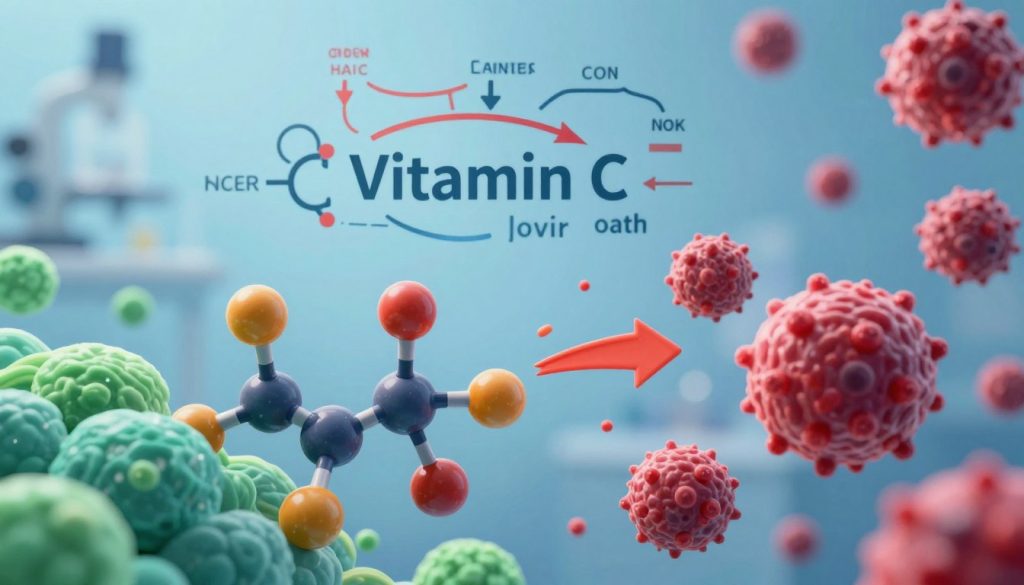
The concept of vitamin C tumour growth inhibition focuses on the effects of high doses of vitamin C on cancer cells. When administered intravenously, vitamin C acts as a pro-oxidant. This transformation produces hydrogen peroxide within the tumour microenvironment. This environment becomes hostile to malignant cells, potentially slowing their proliferation.
Researchers are delving into several biochemical pathways to grasp how vitamin C hinders tumour growth. Key mechanisms include:
- Oxidative Stress: High levels of hydrogen peroxide can stress cancer cells, leading to their death.
- Selective Toxicity: Vitamin C may target cancer cells more effectively while sparing healthy cells, a key advantage for treatment.
- Immune System Modulation: Vitamin C can boost the immune response, helping the body combat cancer.
Studies in laboratory models continue to explore these effects across different cancer types. Understanding these mechanisms offers insights into vitamin C’s role as a complementary therapy in cancer treatment.
Supporting Your Immune System Cancer Defence
Your immune system is vital in fighting cancer. Vitamin C is essential for the function of your white blood cells. It boosts natural killer cells, key in identifying and attacking abnormal cells. This way, Vitamin C helps strengthen your immune system against cancer.
Many patients use Vitamin C as a complementary therapy with traditional treatments. It helps manage side effects and improves well-being. Knowing how Vitamin C supports your immune system empowers you to make informed health choices.
Enhancing Natural Killer Cell Activity
Natural killer cells are vital in your immune response. Vitamin C improves their function in several ways:
- Increases cytokine production, signalling proteins for immune coordination.
- Enhances these cells’ ability to identify and destroy cancer cells.
- Reduces oxidative stress, supporting better immune function.
Integrating Vitamin C Complementary Cancer Therapy
Adding Vitamin C to your cancer treatment plan can be beneficial. Here are some considerations:
- Consult with your healthcare provider about safe dosages.
- Add Vitamin C-rich foods like oranges, strawberries, and bell peppers to your diet.
- Look into intravenous Vitamin C options under medical supervision for stronger effects.
Research backs Vitamin C’s role in boosting your immune system’s cancer defence. It’s a valuable part of your health strategy.
Intravenous Vitamin C Cancer Research and Clinical Trials
Research into intravenous vitamin C for cancer aims to boost survival rates and enhance quality of life. Clinical trials are examining its interaction with conventional treatments. The goal is to see if vitamin C can make tumour cells more susceptible to therapy.
Clinical trials adhere to strict standards for safety and effectiveness. Researchers track several key factors, including:
- Patient responses to treatment
- Side effects experienced
- Changes in tumor size
- Overall survival rates
Though early results are encouraging, caution is advised when recommending intravenous vitamin C. The complexity of cancer treatment demands a tailored approach for each patient.
Leading academic medical centres are driving this research. They offer critical insights into vitamin C’s efficacy in cancer therapy. Keep up with the latest trials and study outcomes through trusted sources.
Grasping the significance of this therapy can help you make informed choices about cancer treatment. Stay current with research to see how intravenous vitamin C might align with your health plan.
Conclusion
Vitamin C is vital for your health, but it’s not a cure for cancer on its own. Research is ongoing into its use in high-dose intravenous therapy. This method might enhance immune function or support current cancer treatments.
Before starting high-dose Vitamin C supplements, talk to your oncology team. They can guide you on what’s best for your care plan. It’s important to ensure safety and effectiveness before adding new treatments.
Staying updated on research helps you make informed health choices. Knowing how Vitamin C fits into cancer care empowers you to decide on your treatment options.