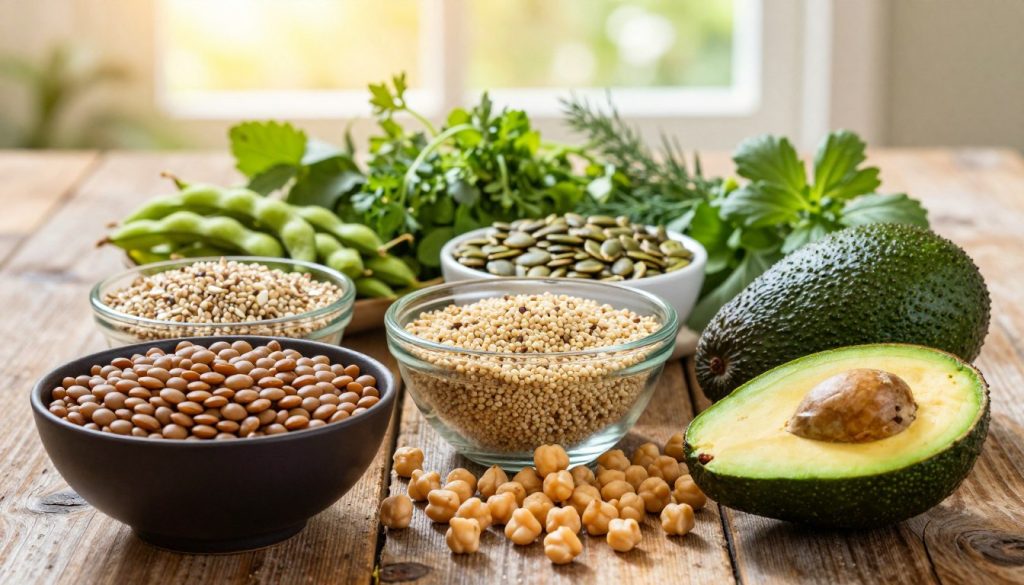
Did you know that a single cup of cooked lentils contains 18 grams of protein? That’s more than two large eggs. This fact showcases the rise of plant-based nutrition as a viable alternative to animal products. As more individuals adopt vegan and vegetarian diets, finding nutrient-rich foods with plenty of protein is key.
This article delves into 8 plant-based foods with more protein than eggs. These alternatives are perfect for anyone looking to enhance their American diet with balanced nutrition. By focusing on these options, you can maintain muscle health while enjoying a wide range of tasty meals. Prepare to boost your health with the power of plants!
Key Takeaways
- Plant-based foods can provide high protein levels, often exceeding those in eggs.
- Lentils, chickpeas, and hemp seeds are excellent sources of protein.
- Incorporating these foods can support a healthy vegan or vegetarian lifestyle.
- Variety in plant-based diets enhances nutritional intake and meal enjoyment.
- These foods are versatile and can be easily added to everyday meals.
Understanding the Nutritional Value of Plant Proteins
Exploring the nutritional value of plant proteins is key for those aiming for healthier eating habits. Many are surprised to learn that some plant-based foods offer a complete amino acid profile. This is vital for maintaining health and wellness.
Plant-based egg protein alternatives are gaining traction among health enthusiasts. These options offer several advantages, including lower cholesterol levels and a gentler impact on the environment. Key points to note include:
- Plant proteins often contain fibre, which aids digestion.
- They are rich in vitamins and minerals that support overall health.
- Many plant-based proteins are lower in saturated fat compared to eggs.
By delving into these nutritional aspects, consumers can make better dietary choices. As plant proteins become more recognised, they serve as a strong alternative to animal sources. This shift supports long-term wellness goals and aligns with the growing trend toward plant-based eating.
“Plant proteins are not just an alternative; they are a powerful addition to any diet.”
Exploring 8 plant-based foods with more protein than eggs
Plant-based proteins are becoming increasingly popular for their health benefits and versatility. Some foods stand out for their high protein content. We will explore two exceptional options that offer more protein than eggs, making them valuable additions to any diet.
The Power of Lentils
Lentils are a powerhouse of nutrition. They contain about 18 grams of protein per cooked cup. This makes them an excellent choice for anyone looking to boost their protein intake without animal products. Lentils are also rich in fibre, vitamins, and minerals. They can be used in various dishes, from soups to salads, enriching both flavour and nutrition.
The Versatility of Hemp Seeds
Hemp seeds are another fantastic source of plant-based protein. They provide a complete protein, containing all nine essential amino acids. Just three tablespoons of hemp seeds offer around 10 grams of protein. Their nutty flavour makes them a versatile ingredient for smoothies, salads, and baked goods. Incorporating hemp seeds into meals can significantly increase protein intake.
These 8 plant-based foods, each with more protein than eggs, are essential for anyone seeking healthier alternatives. Including lentils and hemp seeds in your diet can help meet protein needs while providing other vital nutrients. Consider experimenting with these foods to discover new flavours and health benefits.
Why Vegan Protein Sources Are Higher Than Eggs Are Beneficial
Opting for vegan protein sources over eggs can significantly boost your health. These plant-based options are rich in fibre and low in cholesterol. Research shows that switching to plant proteins can reduce the risk of heart disease in adults in the U.S.
By choosing egg protein alternatives from plants, you gain access to a broader spectrum of essential nutrients. These nutrients are often missing in traditional diets. Adopting a plant-based diet can lead to several health benefits, including:
- Reduced cholesterol levels
- Increased energy levels
- Better digestive health
- Enhanced nutrient absorption
Plant-based proteins also aid in weight management. They are typically lower in calories and higher in fibre, which promotes a feeling of fullness. This can encourage healthier eating habits and a more balanced diet.
Adopting vegan protein sources that are higher in protein than eggs is a move towards a healthier lifestyle. With numerous benefits and tasty options available, transitioning to a plant-based diet is easier than ever.
Incorporating Legumes and Seeds With More Protein Than Eggs
Integrating legumes and seeds with higher protein content into your meals can boost both nutrition and taste. These ingredients are incredibly versatile, fitting seamlessly into a variety of dishes. Let’s explore two standout options that can transform any meal.
Cooking With Chickpeas
Chickpeas stand out as a protein powerhouse, delivering around 14.5 grams per cooked cup. They can be used in numerous ways:
- Blend them into hummus for a delicious dip.
- Add them to salads for extra texture and protein.
- Incorporate them into stews for a hearty meal.
These legumes not only offer protein but also provide fibre and essential nutrients. They are an excellent addition to any diet.
Adding Pumpkin Seeds to Meals
Pumpkin seeds are another excellent choice, rich in protein and healthy fats. Here are some simple ways to use them:
- Sprinkle over oatmeal for a nutritious breakfast.
- Add to yoghurt for a satisfying snack.
- Mix into salads for a crunchy topping.
These seeds enhance meals while boosting protein intake. They are a perfect complement to a balanced diet.
Comparing Meatless Proteins Stronger Than Eggs to Animal Sources
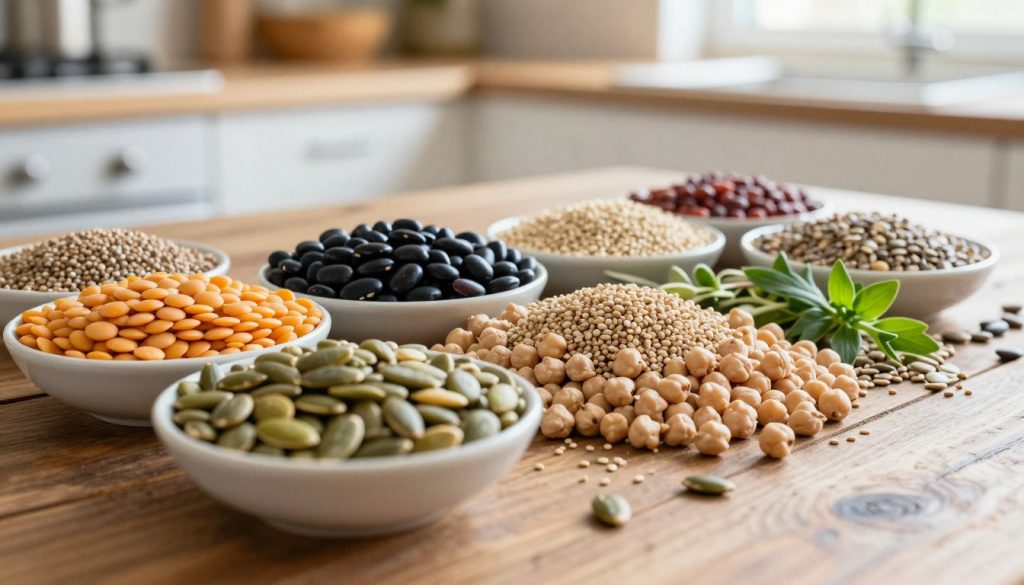
When we look at protein sources, it’s key to compare meatless proteins to animal options. A large egg has about 6 grams of protein. Yet, many plant-based foods have more protein and less saturated fat. This shows the advantages of opting for plant proteins over eggs.
Plant proteins also offer health benefits. They’re easier for our bodies to digest and better for the environment. Knowing these differences helps us make better food choices.
Protein and Calorie Comparison
Here’s a look at high-protein plant foods versus eggs, comparing their protein and calorie content:
| Food Source | Protein (grams) | Calories | Protein-to-Calorie Ratio |
|---|---|---|---|
| Egg | 6 | 70 | 0.086 |
| Lentils | 18 | 230 | 0.078 |
| Chickpeas | 15 | 210 | 0.071 |
| Hemp Seeds | 10 | 170 | 0.059 |
The table shows that eggs are high in protein, but many plant foods match or beat them. Choosing these meatless proteins can improve our health.
Creative Ways to Use Plant-Based Protein Comparison to Eggs
Exploring meatless proteins stronger than eggs can elevate meals while boosting nutrition. Two simple methods stand out: blending proteins into smoothies and enriching salads. These techniques allow for easy incorporation of plant-based proteins into daily diets.
Blending Into Morning Smoothies
Starting the day with a smoothie is a great way to pack in nutrients. By adding legumes and seeds, which contain more protein than eggs, one can create a satisfying breakfast. Consider these ingredients:
- Chia seeds
- Hemp seeds
- Pea protein powder
- Almond butter
These options provide a creamy texture and a protein boost, making them perfect for a morning pick-me-up.
Enhancing Hearty Garden Salads
Salads can be transformed with the addition of plant-based protein compared to eggs. By mixing in protein-rich ingredients, salads become more filling and nutritious. Try these additions:
- Black beans
- Quinoa
- Edamame
- Sunflower seeds
These ingredients not only enhance flavour but also provide essential minerals and vitamins.
Tips for Maximising Plant Proteins That Beat Eggs
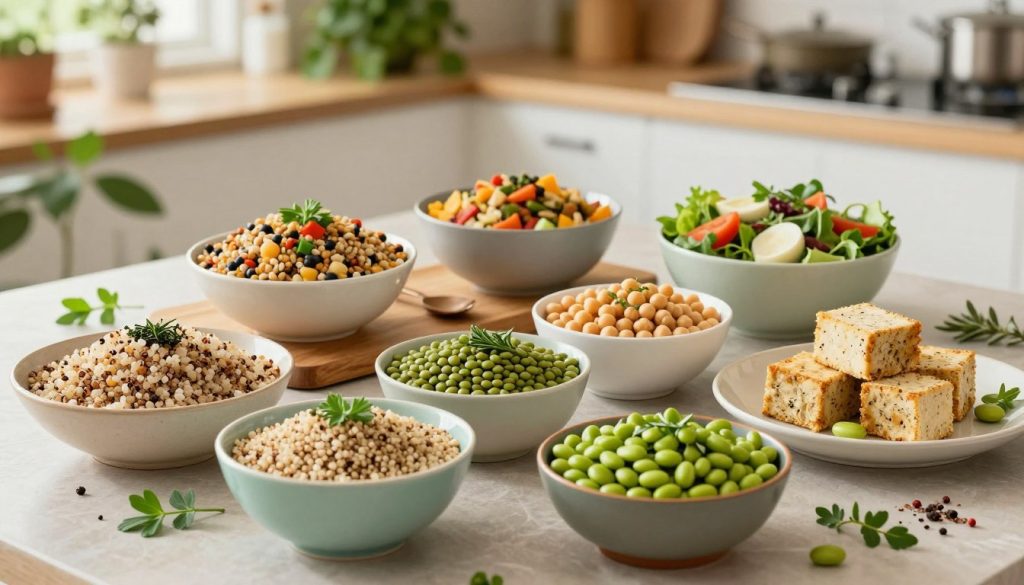
To fully benefit from plant proteins that beat eggs, focus on food pairing and preparation techniques. Combining various vegan protein sources that are higher in protein than eggs can help the body obtain all essential amino acids. This approach is vital for those following a plant-based diet.
Here are some effective tips to enhance the nutritional value of your meals:
- Soak legumes: Soaking beans and lentils overnight can improve their digestibility and nutrient absorption.
- Sprout seeds: Sprouting seeds like quinoa and mung beans increases their nutrient content and makes them easier to digest.
- Mix protein sources: Pair different plant proteins, such as combining rice with beans, to create a complete amino acid profile.
- Incorporate nuts and seeds: Adding chia seeds or almonds to smoothies or salads can significantly boost protein intake.
- Cook wisely: Use steaming or boiling methods to retain nutrients in vegetables and legumes.
Nutritionists recommend these methods to maximise the benefits of vegan protein sources, which are higher than those of eggs. With thoughtful preparation, anyone can enjoy a rich, nutritious diet filled with plant proteins that beat eggs.
Conclusion
Embracing plant-based alternatives can greatly improve overall health. The comparison to eggs shows a variety of options that meet daily nutritional needs. Lentils, chickpeas, and hemp seeds are rich in protein, supporting a balanced diet.
This guide invites individuals to explore new ingredients and enjoy the benefits of a plant-powered lifestyle. Adding these protein-rich foods to meals can easily lead to a healthier eating pattern. The possibilities are endless, and creativity in the kitchen can lead to delicious discoveries.
Starting this journey is simple. Just add these foods to your grocery list. As people seek to improve their nutrition, the benefits of plant-based proteins become clear. It’s time to make informed choices and enjoy the vibrant flavours of nature.