Did you know nearly one in three adults don’t get enough sleep? The National Sleep Foundation says adults need 7 to 9 hours of sleep for health. This shows a big problem many people face today. Finding ways to sleep peacefully is key for our well-being.
Many people have trouble sleeping without using medicine. The search for natural ways to sleep is on the rise. By trying gentle, proven methods, you can learn to sleep better. Deep, restful sleep is a skill you can develop with regular, mindful practices.
Key Takeaways
- Understanding sleep needs is vital for health.
- Natural methods can boost sleep quality.
- Mindfulness is important for restful sleep.
- A calming bedtime routine helps relax.
- Consistent habits lead to better sleep.
Understanding the Importance of Restoring Peaceful Sleep: How to Fall Asleep Naturally & Mindfully
Getting good sleep is key for feeling your best. It helps your brain, emotions, and body heal. The Centers for Disease Control and Prevention (CDC) says not enough sleep is a big problem in America. Sleeping well can make you feel better and do better in your daily life.
Not sleeping enough can really hurt you. It can make you:
- Forget things and have trouble focusing
- Feel more stressed
- Get sick more often
Your body has an internal clock that tells you when to sleep and wake. Knowing this clock is important for good sleep. Going to bed naturally can make your sleep much better.
To make your sleep space better, try these tips:
- Go to bed at the same time every night.
- Don’t look at screens before bed.
- Try relaxing activities to calm down.

Working on your sleep can really improve your life. Adopting natural sleep habits can make you healthier and happier.
Developing Calming Bedtime Routine Strategies
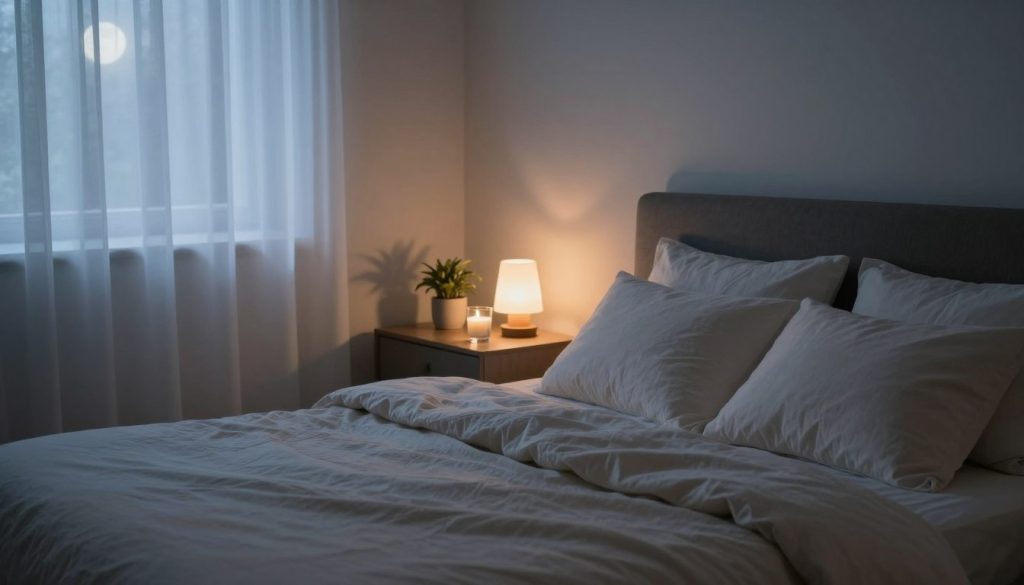
Creating a calming bedtime routine is key for good sleep. It helps you learn to sleep without medication. By focusing on your environment and using natural sleep aids, you can fight insomnia.
Creating a Soothing Environment for Rest
Having a comfy sleep space is vital. Here are some tips:
- Keep your bedroom at 65 degrees Fahrenheit.
- Use blackout curtains to block light.
- Reduce noise with earplugs or white noise machines.
- Choose a good mattress and pillows.
These steps tell your body it’s time to relax and sleep.
Natural Sleep Remedies to Encourage Relaxation
Adding natural solutions can help you relax. Here are some good ones:
- Drink herbal teas like chamomile or valerian root before bed.
- Try deep breathing to lower stress.
- Use essential oils like lavender for calm.
- Do gentle stretching or yoga to release tension.
These natural sleep aids help make a sleep-friendly space. They support deep, restful sleep.
| Natural Sleep Remedies | Benefits |
|---|---|
| Chamomile Tea | Promotes relaxation and reduces anxiety. |
| Valerian Root | Improves sleep quality and reduces the time taken to fall asleep. |
| Lavender Oil | Enhances sleep quality and decreases restlessness. |
| Deep Breathing | Calms the mind and prepares the body for sleep. |

Implementing Mindfulness for Better Sleep
Mindfulness for better sleep uses special techniques to calm the mind and reduce evening anxiety. These mindful sleep techniques make your sleep area more peaceful. Studies show that adding mindfulness to your bedtime routine can greatly improve your sleep.
One great way is through sleep meditation practices. Here are some techniques to try:
- Progressive Muscle Relaxation: This method involves tensing and relaxing different muscle groups to release tension.
- Guided Imagery: Imagining calm scenes can help distract from stress and promote relaxation.
- Deep Breathing Exercises: Focusing on your breath can ground you and reduce anxiety levels.
The Mayo Clinic says mindfulness-based stress reduction can help with stress symptoms that affect sleep. By using these strategies, people can let go of daily stress and have a calm mind. This practice helps you fall asleep faster and improves your overall health.
Adding these mindful sleep techniques to your bedtime routine can lead to better sleep. With effort, anyone can learn to use mindfulness for better sleep and enjoy a good night’s rest.
Conclusion
Getting good sleep is a journey that needs natural and mindful steps. This article has shown ways to improve sleep, like a calm bedtime routine and a peaceful room. These steps help a lot in getting better sleep.
It’s good to start small on the path to better sleep. Just one or two changes can make a big difference. Remember, it takes time and effort, but it’s worth it.
By focusing on peaceful nights, you wake up feeling fresh and ready for the day. Taking care of yourself and adding these habits to your life boosts your health. You’ll enjoy the benefits of deep, restful sleep.