Want a simple habit for a longer life? This guide shows the 1 tea to drink for longevity, backed by science. It’s easy to add to your daily routine in the U.S.
Learn what makes a longevity tea effective. Discover how polyphenols, catechins, and L-theanine boost your health. Get tips on choosing, brewing, and timing your tea for longevity.
Expect evidence from top journals and health organizations. Our aim is to help you live longer with tea, starting today.
One tea stands out in research. Find out why, how to choose the best, and how to enhance its benefits. By the end, you’ll know how to make this tea your daily advantage.
Key Takeaways
- There is strong evidence for one longevity tea linked to longer life and better heart and brain health.
- Polyphenols, catechins, antioxidants, and L-theanine explain how tea for a longer life works in your body.
- You’ll get clear steps to choose, brew, and time your cups for steady benefits.
- Guidance comes from peer-reviewed research and U.S. health resources for everyday use.
- Simple daily habits help you live longer with tea without drastic diet changes.
- Smart add-ins can boost effects, while excess sugar and dairy can blunt them.
- Dosage and caffeine timing matter to make the 1 tea to drink to live longer work for you.
What Makes a Longevity Tea Work
You might wonder how a simple cup can help with aging. A good longevity tea combines plant nutrients, caffeine, and amino acids. This mix supports your heart, brain, and cells, giving you real green tea benefits.
Polyphenols and catechins explained
The key is a group of compounds called catechins. These are found in steamed tea leaves from brands like Ito En and Lipton’s. In longevity tea, they help fight oxidative stress and support blood vessels.
Many people start their day with longevity tea. It offers steady benefits for heart and brain health. These effects are small but add up over time.
How antioxidants combat cellular aging
Every day, cells face threats from reactive oxygen species. Antioxidants in anti-aging tea neutralize these threats. This keeps cells stable and supports energy production.
Drinking longevity tea regularly helps protect against stress and damage. It builds up small benefits that help keep cells working well.
The role of L-theanine in stress resilience
L-theanine, found in tea, helps you stay calm and focused. It works with caffeine to avoid jitters. This balance supports mood, attention, and sleep.
When stress hits, L-theanine can help. It makes a warm cup of anti-aging tea a simple way to stay resilient. This is why longevity tea is known for its real benefits.
Why Green Tea Stands Out for a Longer Life
Looking for a simple yet smart daily habit? Green tea benefits are perfect. It’s all about the compounds in your cup and how your body uses them. The key is what processing keeps in and what it loses.
Evidence-backed green tea benefits
Studies in Japan and China show green tea lowers heart and vascular death risks. Drinking it a few times a week gives you catechins like EGCG. These support healthy blood vessels and cholesterol levels.
This explains why green tea is often linked to longevity. It’s the steady, long-term drinking that matters.
Comparing green tea to black, oolong, and herbal options
Green tea is unfermented, keeping its catechin levels high. Black tea is fully fermented, changing to theaflavins and thearubigins. Oolong is in the middle, with a mix of both.
Herbal teas like chamomile and hibiscus offer comfort but lack EGCG and the caffeine-L-theanine combo found in green tea.
| Type | Processing | Key Compounds | Sip Experience |
|---|---|---|---|
| Green | Unfermented | High catechins (EGCG), caffeine, L-theanine | Fresh, grassy, clean finish |
| Oolong | Semi-fermented | Mixed catechins and theaflavins | Floral to toasty, smooth body |
| Black | Fully fermented | Theaflavins, thearubigins, moderate caffeine | Bold, malty, brisk |
| Herbal | Not from Camellia sinensis | Varies by plant; usually no caffeine or theanine | Soothing, caffeine-free variety |
How fermentation levels affect health compounds
Fermentation changes the polyphenol profile. Green tea’s minimal oxidation keeps EGCG, linked to heart health. As oxidation increases in oolong and black tea, catechins change into other polyphenols.
This shift explains why green tea benefits are often stronger. It’s why the longevity benefits of tea vary by style and processing.
1 tea to drink to live longer
Want a simple habit for healthy aging? Choose green tea. It’s easy to brew and fits any lifestyle. You get a gentle boost without a crash, and its taste varies from grassy to sweet.
Green tea is great for longevity because of its EGCG. This compound helps your blood vessels and cells handle stress. To keep its benefits, brew with water just below boiling and avoid long steeps.
For a tea that supports a long life, pick quality leaves and stick to a routine. Most people enjoy 2–4 cups a day, adjusting for caffeine. Sencha is easy to drink, matcha boosts focus, and gyokuro is smooth.
Practical tip: Use filtered water, pre-warm your mug, and taste at the one-minute mark. Stop the steep when flavor peaks, not when it turns harsh.
| Green Tea Style | Best Use Case | Brew Guide | Notable Compounds | Taste Profile |
|---|---|---|---|---|
| Sencha | Daily sipper and iced batches | 160–175°F, 1–2 min, 1 tsp/8 oz | EGCG, vitamin C, L-theanine | Fresh, grassy, light astringency |
| Matcha | Focused mornings and pre-workout | 165–175°F, whisk 1–2 tsp in 6–8 oz | High EGCG, chlorophyll, fiber | Umami-rich, creamy when whisked |
| Gyokuro | Low-bitter, slow afternoons | 130–140°F, 2–3 min, 1 tsp/3–4 oz | L-theanine, EGCG, amino acids | Sweet, silky, oceanic notes |
| Hojicha | Evening comfort, low caffeine | 175–185°F, 1–2 min, 1 tsp/8 oz | Polyphenols, lower EGCG, theanine | Toasty, caramel, smooth finish |
| Genmaicha | Snack pairing and beginners | 170–180°F, 1–2 min, 1 tsp/8 oz | EGCG, manganese, theanine | Nutty, warm, mild astringency |
Make green tea your steady anchor. Keep a tin from brands like Ito En or Harney & Sons on hand, rotate styles to avoid taste fatigue, and brew below boiling to protect delicate catechins. With this approach, the 1 tea to drink to live longer becomes a ritual you enjoy, not a chore.
Best Tea for Health: Choosing the Right Variety
Looking for the best tea for health? Start with trusted Japanese green teas. Match them to your health goals. This way, you get steady benefits and enjoy great flavor every day.
Sencha vs. matcha vs. gyokuro
Sencha is steamed and sun-grown. It has a bright taste and moderate caffeine. It’s balanced and affordable, making it a great choice for health.
Matcha is stone-ground powder from shade-grown leaves. Drinking the whole leaf gives you more catechins and L-theanine. It boosts focus and energy.
Gyokuro is shade-grown and known for its sweet umami. It has more L-theanine, making it calming yet alert. It’s perfect for those seeking a refined tea experience.
Organic and shade-grown advantages
Shade-growing increases L-theanine and chlorophyll. This softens bitterness and enhances flavor. It helps you drink more, supporting long-term health benefits.
Choose USDA Organic or JAS teas to avoid pesticides. Look for third-party testing to ensure purity. Origin and harvest season affect taste and quality.
Loose leaf versus tea bags
Loose leaf preserves whole leaves for better aroma and catechin yield. Pyramid sachets offer a good balance. Standard paper bags can dull flavor and reduce health benefits.
Store green tea airtight, cool, and away from light. Choose reputable producers from Shizuoka, Uji, and Kagoshima. This keeps your tea routine clean and consistent.
| Variety/Format | Key Traits | Caffeine (relative) | Flavor Profile | Notable Upsides | Best Use |
|---|---|---|---|---|---|
| Sencha (sun‑grown) | Steamed leaves; balanced catechins | Moderate | Grassy, brisk, lightly sweet | Affordable, daily sipper, steady green tea benefits | Everyday best tea for health |
| Matcha (shade‑grown powder) | Whole‑leaf consumption; high L‑theanine | Higher per serving | Creamy, umami, vivid | Focused energy, dense antioxidants for longevity tea | Morning focus or pre‑work session |
| Gyokuro (shade‑grown) | Elevated L‑theanine; rich chlorophyll | Moderate | Sweet, deep umami, low bitterness | Calm alertness, luxurious cup | Mindful afternoon break |
| Organic & shade‑grown | USDA Organic/JAS; boosted theanine | Varies by style | Smoother, rounder | Lower pesticide exposure; quality flavor | Clean, consistent routine |
| Loose leaf | Intact leaves; higher extraction | Varies by style | Nuanced, aromatic | Better catechin yield; excellent value | Home brewing with control |
| Pyramid sachets | Whole pieces; good flow | Varies by style | Clean, convenient | Balanced quality and ease | Office or travel |
| Standard paper bags | Finer particles | Varies by style | Simple, brisk | Fast and accessible | Quick cup when speed matters |
Daily Rituals to Live Longer with Tea
Make green tea a daily habit. Brew it at the same times each day to keep your body clock in sync. This helps you live longer with tea easily and naturally.
Start simple: preheat your cup or kyusu, measure 2–3 grams per 8 ounces, and set a timer. This method prevents bitterness and makes your tea ritual enjoyable. Precision in your tea-making enhances each cup’s taste.
Pair your morning or midday tea with a 10-minute walk. This light activity boosts circulation, ensuring the tea’s benefits reach your body efficiently. Small habits like this can add up to a longer life.
Swap one sugary drink for unsweetened green tea. This choice reduces added sugars and supports weight control and metabolic health, as recommended by the USDA. It boosts the longevity benefits of tea while keeping it flavorful.
Keep a travel tumbler with pre-measured leaves or matcha packets for your commute or desk. This makes it easy to enjoy tea for longevity, even on busy days. Just refill with hot water to keep your routine going.
Choose an evening decaf option, like CO2-decaffeinated green tea. It keeps the health benefits of tea without disrupting your sleep. This way, you can enjoy tea’s benefits without worrying about it affecting your sleep.
Track 2–4 cups a day with a habit app or a simple checklist. Gentle reminders help you stay on track and build the longevity benefits of tea over time.
How Much and When to Drink for Longevity Benefits
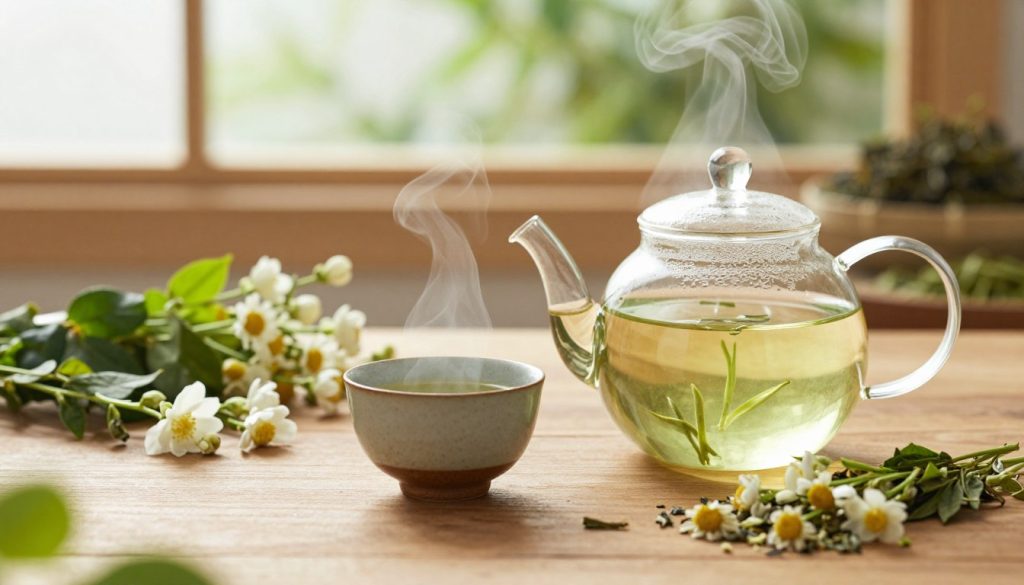
Want simple rules for real life? Use tea for a longer life by matching your intake to your routine and sleep. The right amount and timing help you enjoy green tea benefits without jitters. This keeps your day calm and focused.
Ideal daily cups and caffeine considerations
Most adults do well with 2–4 cups per day, or about 300–800 mL. Some Japanese cohorts suggest 3–5 cups. Your ideal amount depends on your tolerance. This range supports anti-aging tea habits while keeping energy steady.
Watch caffeine from all sources. An 8 oz brewed green tea has about 20–45 mg, while matcha can reach 60–80 mg. The FDA suggests up to 400 mg a day for most healthy adults. If you also drink coffee, scale back tea for a longer life to stay within your limit.
Timing around meals and workouts
Drink your cup 30–60 minutes away from iron-rich meals to reduce effects on non-heme iron uptake. This keeps nutrition in balance while you enjoy green tea benefits. Pairing tea with citrus at other times can be a bright change of pace.
Before training, sip 1 cup 30–60 minutes ahead to lift alertness and support fat use. After workouts, an unsweetened green tea plus a protein snack helps you recover. This rhythm supports anti-aging tea routines without crowding out meals.
Hydration balance and sleep-friendly strategies
Count tea toward daily fluids, and drink plain water between cups, in heat or during exercise. This keeps you well hydrated while you chase green tea benefits. If you feel dry mouth or headaches, add an extra glass of water.
Set a caffeine cutoff 6–8 hours before bed. In the evening, pick decaf, or low-caffeine choices like sencha or bancha. This lets anti-aging tea remain a soothing habit while protecting deep sleep, a key pillar of tea for a longer life.
Brewing Techniques to Maximize Anti-Aging Tea Power
Getting the most from anti-aging tea means controlling heat and time. Use filtered, low-mineral water to keep flavors clean and catechins even. Sencha and gyokuro need 160–175°F (70–80°C), while many Chinese greens prefer 175–185°F (80–85°C). Boiling water can scorch leaves, dull aroma, and increase bitterness.
Start with 2–3 grams of leaves for every 8 oz of water. Steeping time varies by type and quality. Gyokuro and high-grade sencha need shorter times, while coarse leaves can handle a bit longer. Always brew fresh and drink quickly; long steeps can weaken polyphenols in your longevity tea.
For matcha, sift 1–2 grams into a warm bowl. Whisk with 2–4 oz of 160–175°F water until it’s glossy with foam. Then, add more hot water to taste. This method makes a smooth, focused cup, perfect for quick health boosts.
Try multiple short infusions in a glazed ceramic kyusu or a glass gaiwan. This method pulls out high catechin levels while keeping each pour gentle. If you dislike astringency, use neutral materials to keep your tea round and sweet.
For iced brewing, use 1 tablespoon of leaves in 12–16 oz of cold filtered water. Steep in the fridge for 6–8 hours. Cold extraction brings more L-theanine and fewer bitter notes, making a calm, refreshing longevity tea.
Quick guide: precise heat, right dose, brief steeps, neutral vessels, and fresh cups—simple moves that protect delicate compounds and deliver the best tea for health in every sip.
Smart Add-Ins and Pairings for Extra Benefits
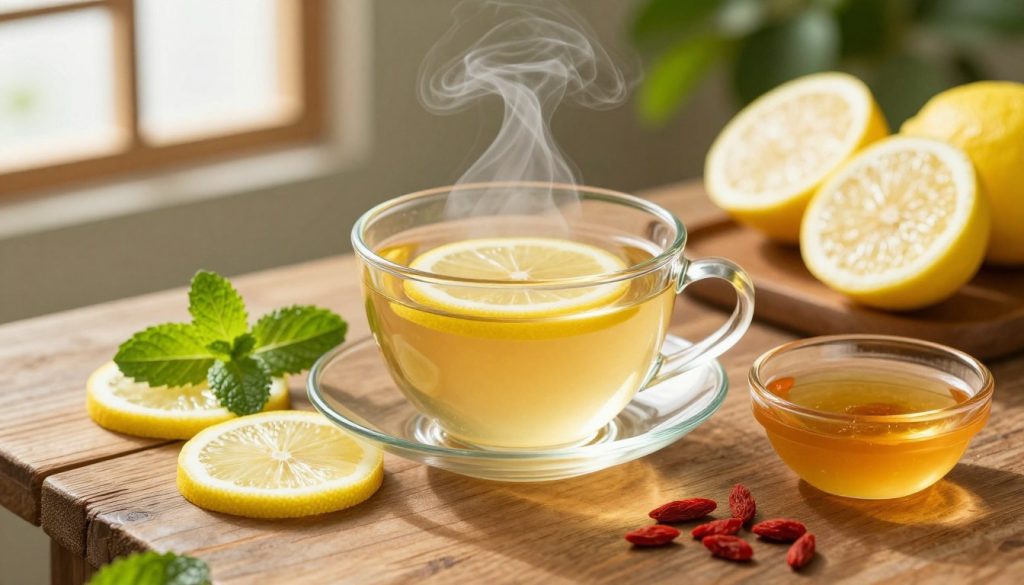
You can make your longevity tea better with simple add-ins. These protect the good stuff in tea and help with digestion. Making small changes keeps your tea tasting great and supports a longer life.
Lemon, ginger, and mint for synergy
A squeeze of lemon adds vitamin C and helps keep the tea’s good stuff stable. Research from Purdue University shows citrus helps your gut keep these compounds better. This supports the tea’s benefits for longevity.
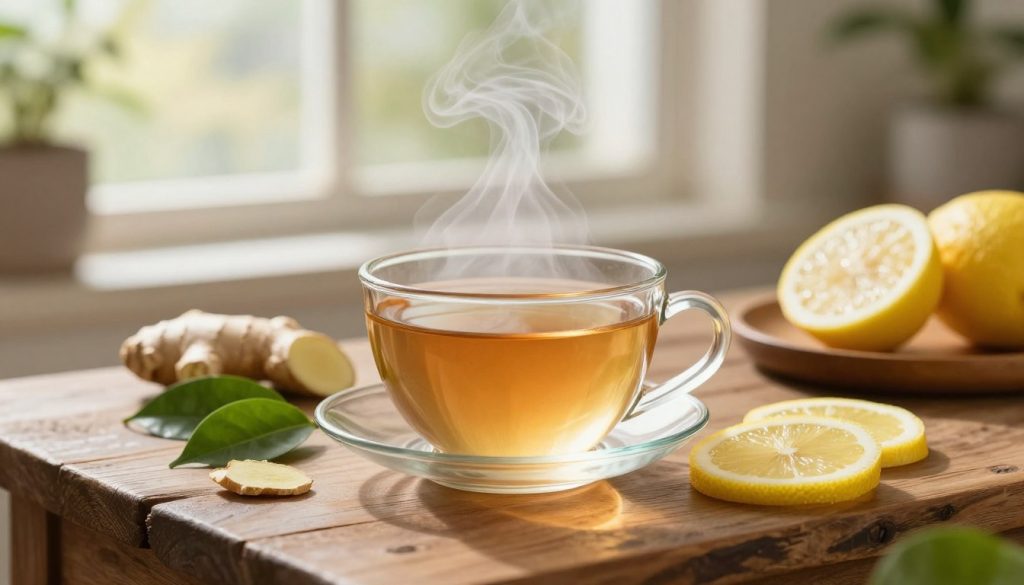
Fresh ginger soothes your stomach and adds a warm, peppery taste. Mint cools your mouth, reduces bloating, and keeps the tea sweet. This makes drinking longevity tea a breeze every day.
What to avoid: excess sugar and dairy
Don’t add too much sugar. It can make the tea less effective for your heart and health. If you need a bit of sweetness, use a small amount of honey or a sugar-free option.
Dairy can block some of the tea’s benefits. If you want to keep the tea’s good stuff, try unsweetened plant-based milk. This helps you get the most out of your longevity tea.
Snacks that enhance absorption of catechins
Enjoy your tea with healthy fats and vitamin C. Almonds or walnuts help your body use the tea’s fat-soluble compounds better. Berries or orange slices add more C to keep the tea’s benefits stable.
For a sweet treat that’s good for you, choose dark chocolate with 70% cocoa or more. Its flavanols match well with green tea, making your snack both tasty and beneficial.
Safety, Side Effects, and Who Should Be Cautious
When looking for the best tea for health, safety is key. Most people enjoy green tea without issues. But, it’s important to listen to your body and make adjustments if needed.
Caffeine sensitivity and medication interactions
If caffeine makes you jittery or keeps you awake, try less of it. Opt for Japanese sencha, decaf green tea, or shorter steeps. This way, you can enjoy tea without feeling off balance.
Also, be careful with medications. Green tea might affect nadolol or warfarin. High doses of green tea extracts can harm your liver. Always check with your doctor or pharmacist if you’re unsure.
Iron absorption and timing tips
Tannins in tea can lower iron absorption from plant foods. If you have low iron, drink tea between meals. Try to wait at least an hour before or after eating.
For those with reflux, strong tea might irritate your stomach. Use cooler water, smaller amounts, or decaf to ease discomfort. These changes can help you enjoy tea without stomach issues.
Pregnancy and medical conditions
During pregnancy, limit caffeine to 200 mg a day. A small cup of green tea is okay, but check with your doctor. Nursing moms should also stick to this limit to avoid sleep problems.
Choose trusted brands to avoid contaminants. Some teas have high lead levels, but Japanese greens and reputable brands are safer. This ensures your tea routine is both safe and enjoyable.
Start with a small amount and adjust as needed. This way, tea can be a daily joy that’s tailored to your needs.
Conclusion
Green tea is the top choice for a habit that really makes a difference. It has catechins, antioxidants, and L-theanine. These work together to help your heart, brain, and mood.
There are many ways to enjoy green tea. You can pick sencha for a simple, everyday drink. Or matcha for a strong boost. Gyokuro is great for a smooth, luxurious taste.
Make sure to brew it correctly. Use the right water temperature and steep time. Aim for 2–4 cups a day. Avoid drinking it with iron-heavy foods and keep sugar out.
By following these tips, you can make green tea a part of your daily life. It supports your metabolism, heart health, and stress levels. It’s easy to add to your routine. Green tea can help you live a longer, healthier life.